19 June 2025
6 min read
The top 5 heat pump myths. Busted.

Published on
19 June 2025
Time to read
6 minutes
Key takeaways
- Heat pumps work in winter. Even at -25°C, they keep homes warm. Just ask Sweden (where we're from), where heat pumps have been the norm for decades.
- They’re quieter than you think. The outdoor unit emits a gentle hum that fades into the background. More like a fridge, not a jet engine.
- Most homes can install a heat pump. New build or 1950s terrace, heat pumps are made to work where you live.
- And they cost less than you may think. Plus, they save you money. With grants and lower running costs, the numbers add up fast.
Think heat pumps are too expensive, too noisy or only work in brand-new homes? You're not alone. But a lot of what you hear simply isn't true. And it's time to set the record straight.
Here are five of the most common heat pump myths, debunked.

Talk to a Clean Energy Expert
Myth 1: Heat pumps don't work in cold weather
It's one of the most common myths about heat pumps, and we hear it all the time across the UK. It usually starts with: "my neighbour’s friend said..." or “I read somewhere that heat pumps don’t work in the winter.”
Let’s be clear: heat pumps are designed to work all year round, even in freezing conditions. In fact, air source heat pumps (like the Aira Heat Pump) are keeping homes warm in places like Sweden (where we're from) and Finland, where temperatures regularly drop to -25°C. If they work there, where cold winters are the norm, they’ll work here.
If a heat pump isn’t keeping a home warm, it’s usually due to poor heat pump installation or incorrect system design, not the technology itself. A properly installed system will deliver a comfortable temperature throughout your home, no matter the season.
And remember: unlike traditional gas boilers and oil boilers, heat pumps don’t burn fossil fuels. They transfer existing heat from the air and deliver multiple units of heat for every unit of electricity used. They're more efficient, cleaner and more affordable than boilers. Even in cold temperatures.
Learn more about how heat pumps work in cold weather.

Myth 2: Heat pumps are noisy
Here’s another one of the biggest misconceptions about heat pumps: they’re loud. The reality? Not really. The outdoor unit of a typical air heat pump produces a gentle hum, usually around 46 to 51 decibels, which is about the same as a quiet conversation or a fridge.
You might hear a little more sound during colder months when your heat pump works harder to keep your home warm and your hot water flowing. But even then, noise levels stay well within normal limits and blend into the background.
So if you’re picturing a lawnmower outside your window, it’s time to update that image. With today's heat pump technology, air-source heat pumps are quiet, efficient, and built for modern living.
Want to learn more? Check out our article on whether heat pumps are noisy.
Myth 3: Heat pumps are expensive to install and maintain
It's another common misconception that heat pumps are prohibitively expensive. While it's true that the upfront cost can be higher than traditional heating systems, several government initiatives can ease this burden.
For instance, the UK's Boiler Upgrade Scheme offers up to £7,500 towards heat pump installation. And it's simple to apply for. So simple, qualified heat pump installers like us can handle all the paperwork for you.
In Scotland, the Home Energy Scotland Grant and Loan scheme provides up to £7,500 (increasing to £9,000 for those in remote areas), with additional interest-free loans up to £7,500.
And when it comes to running costs, heat pumps come out ahead. They’re around four times more energy efficient than the average gas boiler, which can mean big savings of up to £550 a year on your energy bills.
Take the Aira Heat Pump: it delivers around 4 units of heat for every unit of electricity it uses. That’s not just efficient, it’s smart economics. Pair it with a green energy tariff or solar panels, and your running costs shrink even further.
And if you’re worried about long-term maintenance? A simple biennial or annual service keeps your system running smoothly, just like a boiler. As part of our all-inclusive plan, a maintenance visit every two years is part of the service.
Here's a simple breakdown:
| Cost factor | Gas boiler | Heat pump |
|---|---|---|
| Upfront costs (including installation) | £2,000 - £4,000 | £6,500 (inc gov grant) |
| Annual savings | None | Up to £550 |
| Maintenance | Moderate/high | Minimal (set and forget) |
To see how much your heat pump could cost, use our heat pump cost calculator.
Myth 4: Heat pumps are too big or won't fit in my home
Worried about space? Don’t be. While a heat pump system can take up slightly more room than a standard boiler, most homes (even older ones) have the space to make it work.The biggest difference? You’ll need an outdoor unit. Then, indoors, you’ll need an indoor unit (like our Aira Indoor Unit or Aira Indoor Unit Compact), and a buffer tank. You may also need a hot water cylinder, depending on your setup.
Most homes, even older ones, can be retrofitted for a heat pump system with minimal changes, like simple radiator upgrades. The outdoor unit just needs a metre or so of clearance for airflow, and modern systems are designed to integrate smoothly with your existing central heating setup.
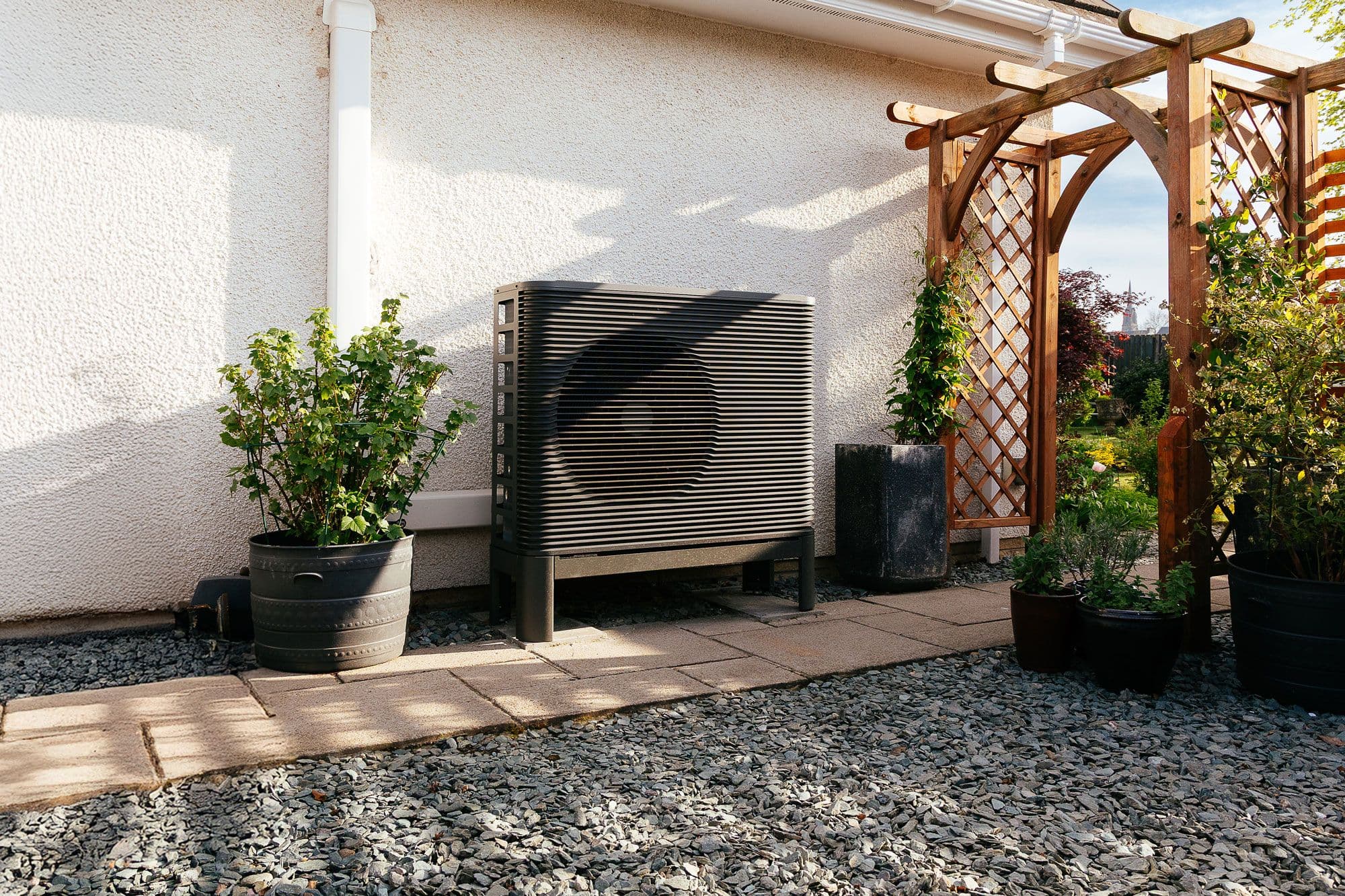
So if you think heat pumps are only for new builds, think again. With the right planning and support from expert heat pump installers, they can work in almost any property type.
Here's a breakdown of the Aira Heat Pump system to give you an idea of how big everything is.
| Heat pump component | Size (cm) (w x d x h) |
|---|---|
| Aira Indoor Unit (100L) | 50 x 50 x 110 (about size of boiler) |
| Aira Indoor Unit (250L) | 67 x 60 x 172 |
| Aira Indoor Unit Compact (needs hot water cylinder) | 40 x 25 x 72 (about size of compact boiler) |
| Buffer tank (40L) | 37.5 x 37.5 x 71.5 |
| Buffer tank (100L) | 37.5 x 37.5 x 155.5 |
| Aira Outdoor Unit (6kW & 8kW) | 121.6 x 100.5 x 42.5 |
Learn more about what size heat pump you'll need.
Myth 5: Heat pumps only work with underfloor heating
Not true. While underfloor heating does work really well with heat pumps, thanks to its low flow temperature, it’s not the only option.
Heat pumps can also be paired with radiators (and usually are). In fact, many heat pump owners in the UK use them with larger radiators to increase efficiency. Traditional panel radiators can also work, although efficiency might dip slightly depending on your home’s heat loss.
The key is system design. Get the right setup for your home and you’ll enjoy cosy rooms, lower heating bills, and a smaller carbon footprint.
Heat pump and radiator compatibility
| Radiator type | Compatibility with heat pump |
|---|---|
| Modern radiators | High |
| Traditional radiators | Moderate to high |
| Larger radiators | Optimal efficiency |
Learn more about how big heat pump radiators need to be.
One more myth: Heat pumps aren't worth the hassle
Still unsure? The UK government offers a generous £7,500 grant through the Boiler Upgrade Scheme to make switching easier. MCS-certified heat pump installers (like us at Aira) handle the paperwork, so you don’t have to lift a finger.
Plus, we bring everything you need to switch to a heat pump, from a free home energy assessment to installation and 15-year guarantee, under one roof. So, ditching your old boiler has never been easier.
Quick takeaway facts:
- Heat pumps reduce your carbon footprint by replacing fossil fuel heating.
- The outdoor unit is compact and quiet.
- Heat pumps deliver multiple units of heat for every unit of electricity.
- Modern heat pump systems suit a wide range of homes, including those with older infrastructure.
- Aira offers expert installation, biennial maintenance visits, and ongoing support as part of our all-inclusive plan.
So, let’s stop buying into these heat pump myths and leave gas heating behind. It's time to say goodbye to traditional boilers and say hello to the future of heating.
See if your home is heat pump ready
What type of house do you live in?

Related articles
Performance & reliability
26 Sept 2024
Are heat pumps noisy?
The short answer is no, they are quiet machines. Heat pumps work differently from traditional heating systems like gas boilers, often raising questions about their sound levels. But fear not, we’re here to guide you through the types of noises air source heat pumps produce, how they compare to older systems, and clear up some common myths.