Our blogs
Learn everything you need to know about air to water heat pumps. From costs and efficiency to comfort and savings.
Latest article
Updated at 13 Oct 2026
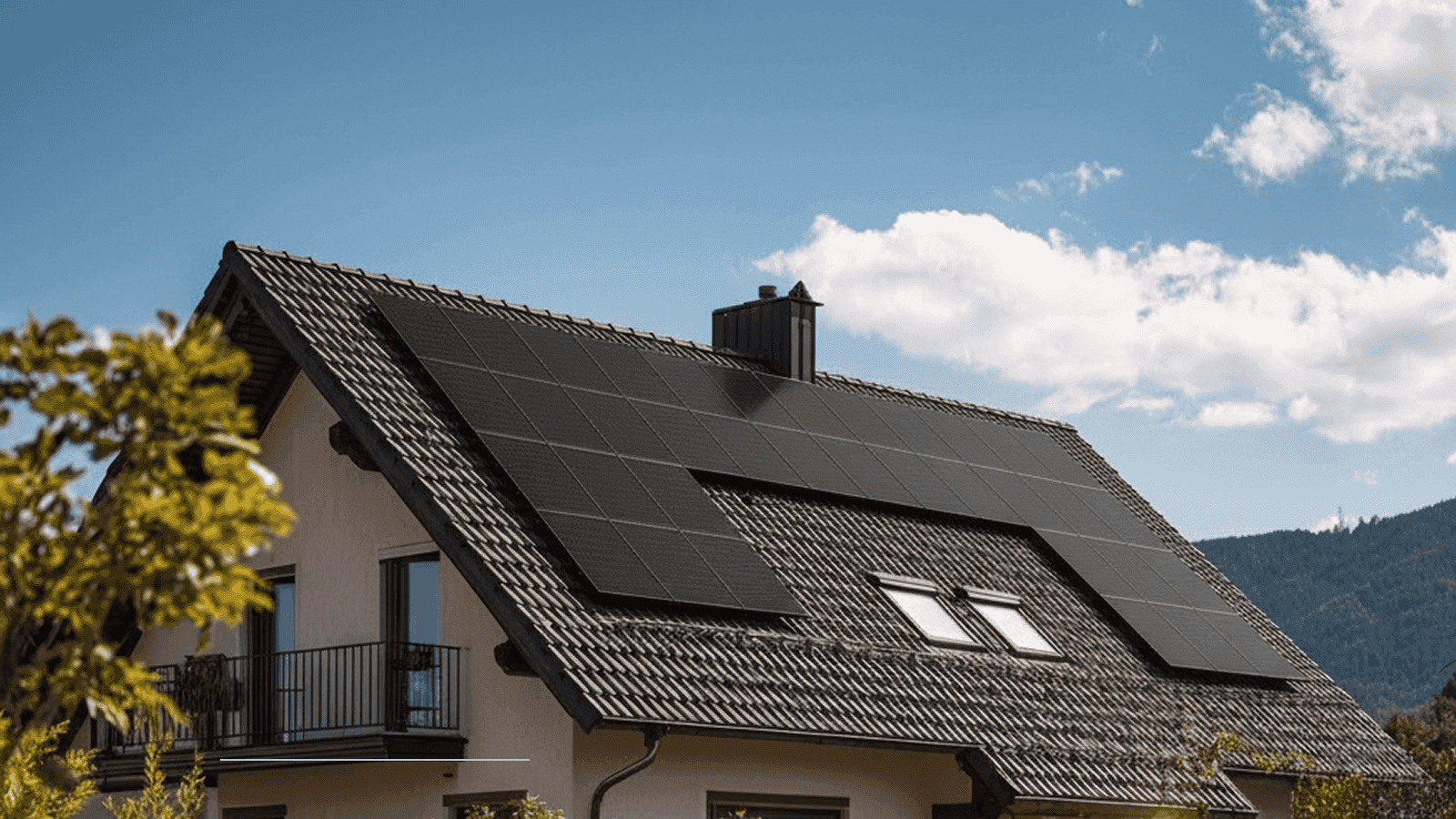
Adding a battery to existing solar panels: what to know in 2026
Already have solar panels? Adding battery storage lets you keep more of the electricity your panels generate and use it when it matters most. In this guide, we explain how to add a battery to existing solar panels in the UK, what to check first, and how Aira integrate solar, storage and heating into one intelligent setup.
Performance & reliability
12 Oct 2026
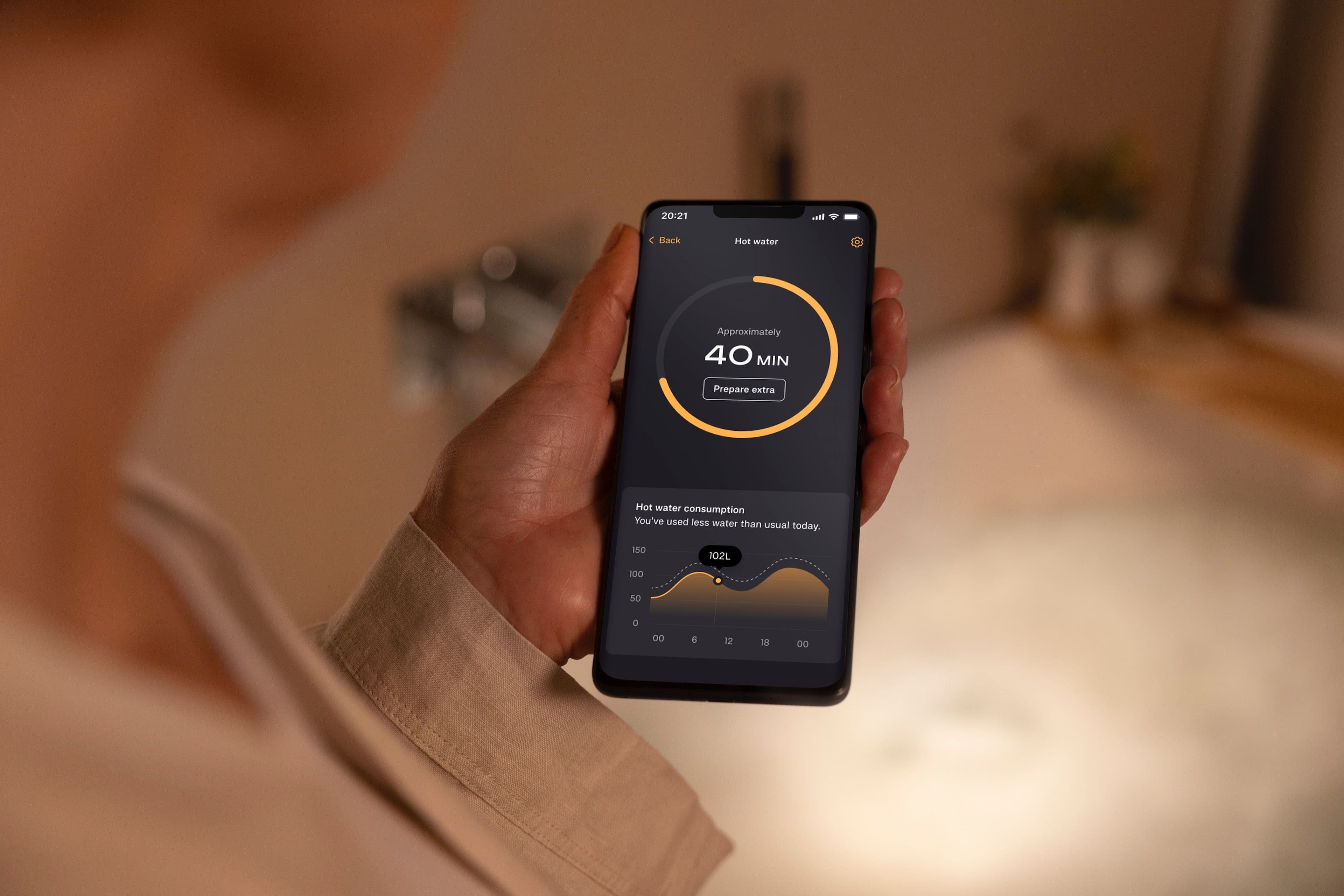
How long does a heat pump take to heat water?
How long does a heat pump take to heat water? Discover typical reheat times, what affects them and how the right system design keeps plenty of hot water ready for every shower, bath and tap.
Solar & battery
7 Oct 2026
How to get more from your solar panels in winter
Solar panels keep generating throughout winter, even when the days are shorter and the skies turn grey. Learn how to protect their output and get more value from every unit of electricity they produce.
Solar & battery
2 Oct 2026
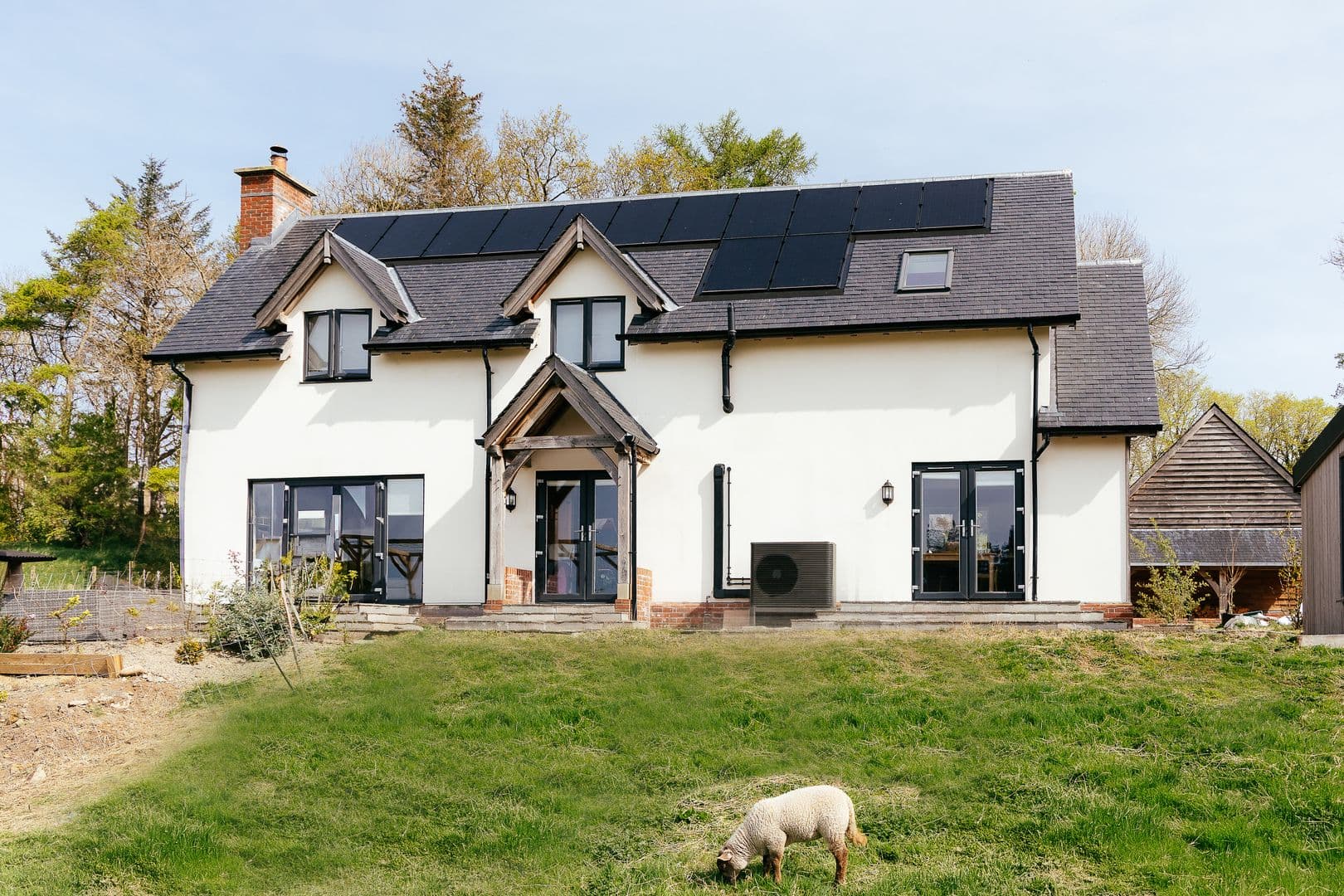
Can solar panels power a heat pump entirely?
Solar panels can power your heat pump. But only when they’re generating enough electricity. Discover how winter, battery storage and smart controls like Aira Intelligence determine how much of your heating can come straight from your roof.
Costs & benefits
24 Sept 2026
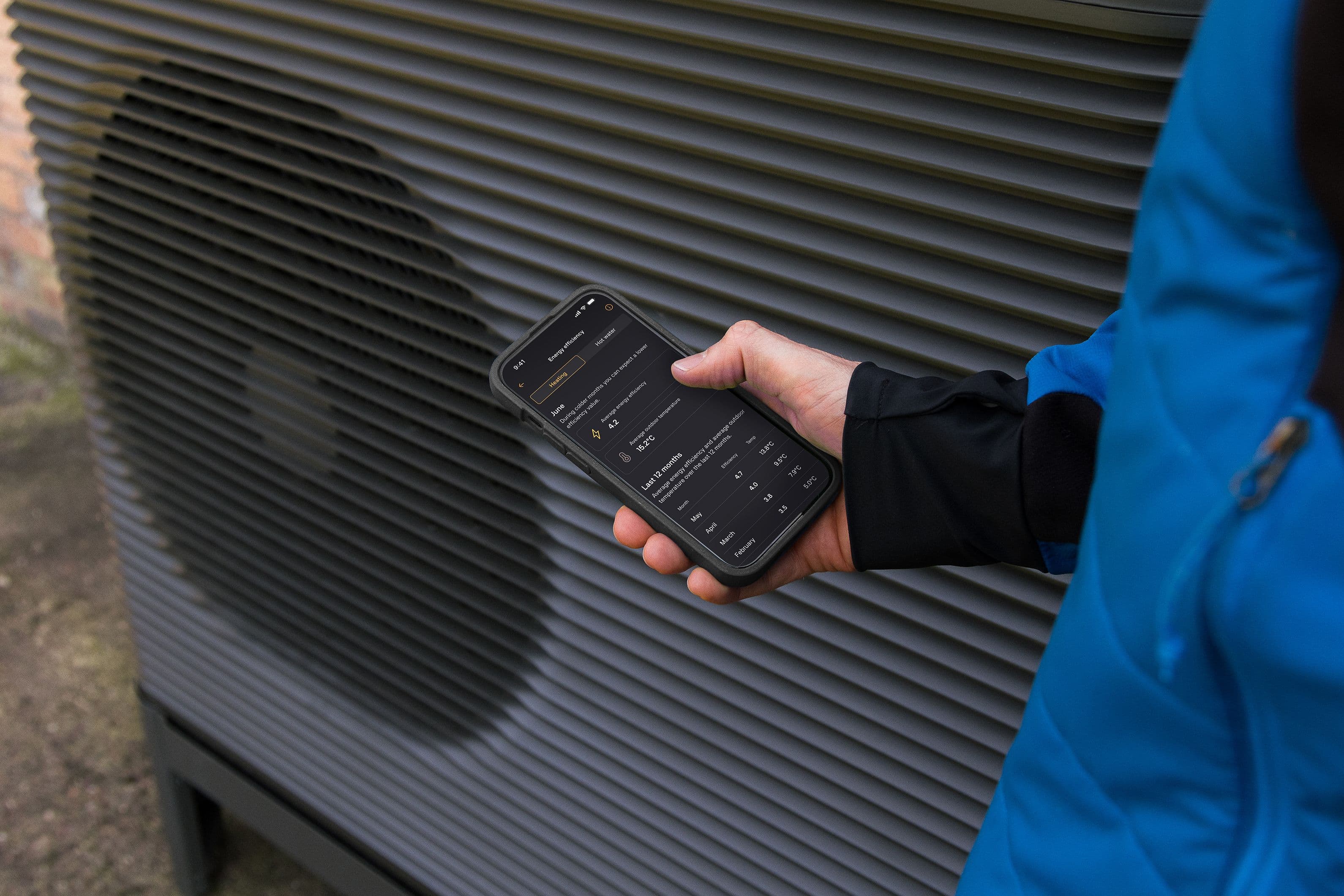
Europe’s energy independence starts at home
Europe’s reliance on imported fossil fuels leaves countries – and household energy bills – exposed to events beyond their control. See how a heat pump, solar panels and home battery can work together to lower costs and bring greater energy independence home.
Heat pumps: The basics
21 Sept 2026
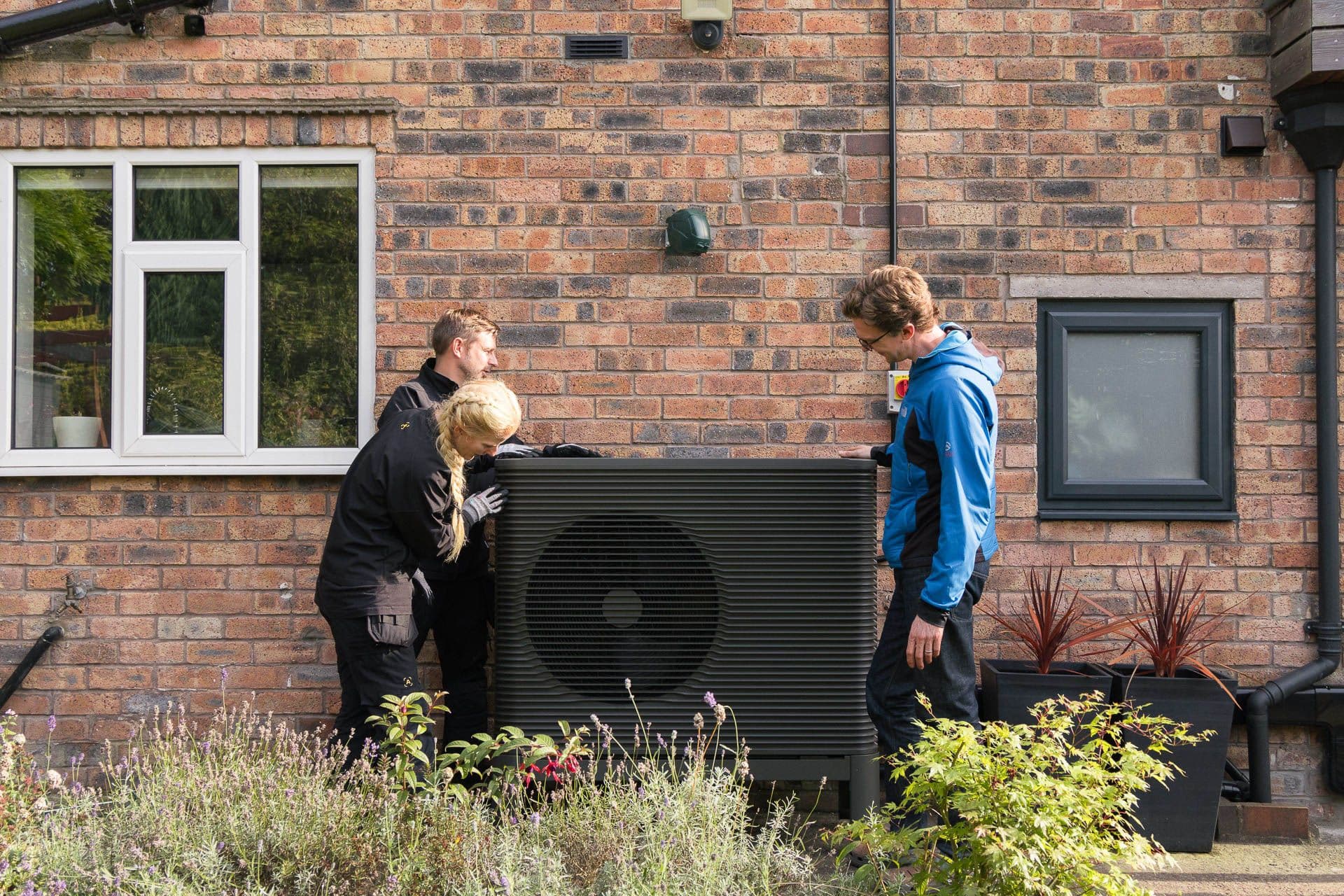
When a heat pump isn’t worth it – and what can change that
A heat pump can be a brilliant investment, but forcing one into a home that isn’t ready can lead to higher bills and cold rooms. Here’s when a heat pump may not be worth it yet – and the changes that can turn a no into a yes.
Comparing options
18 Sept 2026
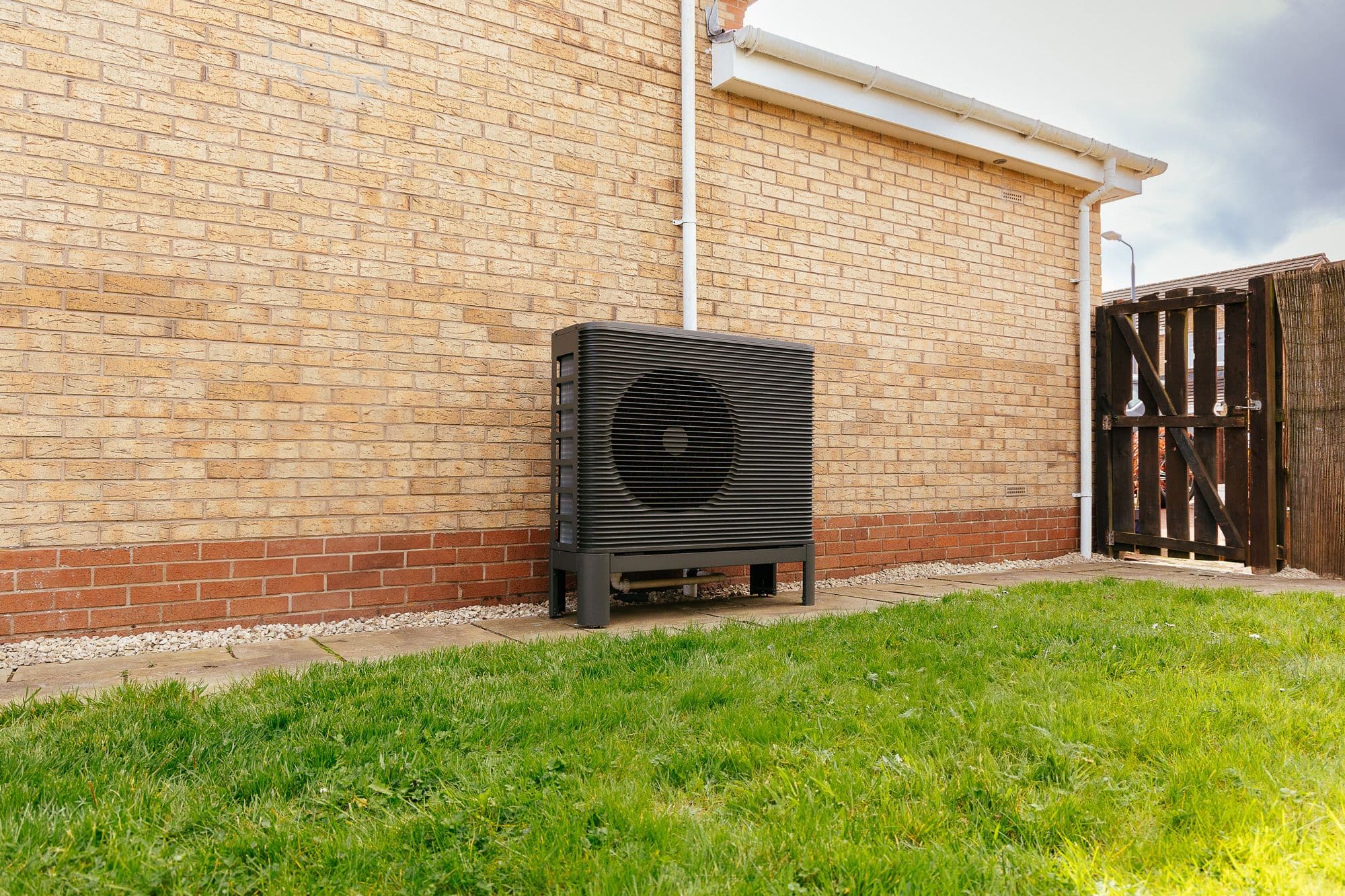
The difference between a heat pump and an air conditioner
Heat pumps and air conditioners may look similar, but they can do very different jobs around the home. Discover how air conditioning, air-to-air and air-to-water heat pumps compare, from cooling and hot water to installation and cost.
Costs & benefits
11 Sept 2026
What is the most economical heating system for your home?
Wondering which heating system will cost you the least to run? Here's a straight answer – and why more UK homeowners are switching away from gas.
Performance & reliability
19 Aug 2026
Heat loss calculations explained: why they matter for your heat pump
A heat loss calculation shows how much warmth escapes from every room in your home. Here’s how it helps your installer choose the right heat pump and design a system that keeps you comfortable.
News
2 Apr 2026
Aira launches external training courses to grow the UK’s clean energy workforce
Clean energy tech skills academy expands offering to include external training for electricians, engineers and plumbersSheffield-based facility has capacity to train 100 people per monthNew courses empower independent installers to expand their skills in fast-growing sector, including heat pump and solar installationsSupports Government goals to grow the workforce to 240,000 by 2030 Sheffield, UK – April 2, 2026. Today, clean energy tech company Aira opens its Sheffield-based training facility, the Aira Academy, to independent electricians and plumbers for the first time, helping to expand the UK’s clean energy workforce. With capacity to train 100 people per month, this new offering will support Government targets outlined in the Warm Homes Plan to grow the workforce to 240,000 by 2030, supporting the installation of 450,000 heat pumps per year and 3 million solar panels by the end of the decade. Since opening the Aira Academy in May 2024, the company has trained over 500 employees to become qualified heat pump installers. In November 2025, in line with launching the full Aira Home Energy System, Aira opened the Power Academy to facilitate training across solar and battery installations. Sarah Stevens, Aira Academy Manager comments, “We’re proud to be extending our training capabilities at the Academy. Electrification is central to lowering energy bills, decarbonising homes and improving the UK’s energy security. Expanding the Academy allows us to help more installers develop the skills needed to deliver that transition.” The Aira Academy is LCL Awards Accredited and a registered training provider for the Heat Training Grant scheme for heat pumps and low temperature system design courses. Qualifying candidates can receive up to £850 for the cost of training, in some cases making certain courses free. For paying trainees, courses start at £190 and are available individually or in bundles. Jack Sutcliffe, Aira Academy Trainer comments, “Opening the Academy to external installers, alongside our employees, allows us to support the UK’s decarbonisation goals while helping plumbers, electricians and engineers gain valuable skills in one of the fastest-growing sectors in the energy transition.” Popular courses include Level 3 Awards in Installation and Maintenance of Air Source Heat Pump Systems and Design, Installation and Commissioning of Electrical Energy Storage Systems, as well as Water Regulations Advisory Scheme. More information on all available courses can be found here. -ENDS- Notes to editors For more information, please contact Director of PR & Communications, Gabriella Irvine: gabriella.irvine@airahome.com Download the press pack here. Courses include: Plumbing: Level 3 Award in Installation and Maintenance of Air Source Heat Pump Systems (+ 1 day refresher)Level 3 Award in Low Temperature Heating and Hot Water Systems in DwellingsHot Water Systems & SafetyWater Regulations Advisory Scheme Electrical: Level 3 Award in the following: Design, Installation and Commissioning of Electrical Energy Storage SystemsInstallation and Maintenance of Small-Scale Solar Photovoltaic SystemsElectrical InstallationsInitial Verification, Periodic Inspection Testing, Condition Reporting & Certification of Electrical InstallationsInstallation & Commissioning of Electric Vehicle Charging Equipment in Domestic, Commercial & Industrial Locations. About Aira Aira is a home energy specialist with intelligent heat pumps at its core. With a complete, end-to-end home energy offering, Aira enables homeowners across Europe to take control of their energy use, lower energy bills, and reduce emissions. By removing key barriers to adoption and delivering superior value for consumers, Aira is set to become Europe’s leading direct-to-consumer brand in home energy. Aira’s mission is to empower people to join the clean energy revolution, one home at a time. Headquartered in Stockholm, Sweden, Aira has its R&D centre in Helsingborg, its production facility in Wrocław, Poland, and operates commercially in Italy, Germany, and the UK. Founded in 2022 by Vargas in Stockholm, Sweden, Aira is backed by climate and innovation investors including Altor, the Burda family, Collaborative Fund, Creades, Kallskär, Kinnevik, Lingotto, Nesta Impact Investments, Statkraft Ventures, and Temasek. https://airahome.com
5 Mar 2026
Thousands taken to A&E as many struggle to heat homes – fears a new energy crisis could pile further pressure on hospitals
Nearly six thousand patients admitted with hypothermia, pneumonia, and excessive cold, despite living in homes they own or rent, as soaring energy bills continue to put heating out of reach Trends suggest that the emerging energy crisis caused by the war in the Middle East could also create even greater problems for UK hospitalsOver 70’s hardest hit – pneumonia cases caused by freezing weather soar 66%A landmark five-year study of hospital admissions reveals a crisis in access to affordable heating in UK homes, underscoring the human cost of the energy crisis triggered by Russia’s invasion of Ukraine in February 2022Government data confirms that many of the poorest households rely on direct electric heating, fuelling urgent calls to reduce electricity prices and protect vulnerable households London, UK – March 05, 2026. THOUSANDS of Brits have been rushed to hospital after being left to live in freezing homes – with new data pointing to the real culprit being sky high electricity prices that are leaving people vulnerable to a growing winter health threat. NHS Trusts reported a 66% surge in admissions for pneumonia, a 45% increase in cases of hypothermia, and a 33% rise in incidents of excessive cold. People aged over 70 were hit hardest, recording the highest number of hospital admissions of any age group since 2020. New figures commissioned by clean energy tech company, Aira, reveal a disturbing trend in hospital admissions for hypothermia, pneumonia and extreme cold since the energy crisis began around four years ago. The figures from 2022 to 2025 show a sharp spike across all categories, suggesting that soaring energy prices – triggered by the war in Ukraine - have had a significant impact on households in the UK. Now, with a new energy crisis unfolding in the Middle East, the trend could raise fears of higher cold-related hospital admissions and greater pressure on UK hospitals. The figures show 5,828 adult hospital admissions for cold-related conditions among people who reported they were not homeless, meaning they were living in homes they owned or rented. In England, 4,701 were admitted for cold-related conditions from 2020 to 2025, in addition to 1,127 admissions in Scotland. Aira analysed Freedom of Information responses from NHS Trusts, with 71 providing geographic data for the five-year period and nationwide data provided by NHS Digital and Public Health Scotland. The crisis exposes how Britain’s electricity pricing system disproportionately charges households who rely on electric heating, with those on electric heaters being far more likely to be in fuel poverty than those using gas.[1] New figures emerge as the Energy Company Obligation (ECO) scheme is due to end in March 2026 and industry awaits the publication of the Future Homes Standard. Matt Isherwood, Aira UK Managing Director comments, “Far too many households in Britain today are living in dangerously cold homes, made worse by electricity prices that are among the highest in Europe and the developed world. It is fundamentally unfair that clean electricity is taxed more heavily than gas. The situation could deteriorate further for households and public services if energy prices climb due to the Middle East crisis – with wholesale UK gas prices more than doubling since the war began. To fix this, we need to rebalance the cost of electricity relative to gas, introduce an urgent support scheme for low-income households, and publish the Future Homes Standard. These measures will protect health, cut energy bills, and help the UK meet its electrification and decarbonisation targets – and reduce our dependence on foreign fossil fuels.” Pippa Heylings, MP for South Cambridgeshire and Liberal Democrat spokesperson for Energy Security and Net Zero said: “Households are still struggling with the cost of living and energy prices remain about a third higher than before Putin's war in Ukraine. This is leaving too many families trapped in fuel poverty – living in Dickensian cold, damp homes. The Government must take urgent steps to bring down bills and boost living standards by fully funding and immediately removing the biggest green levy from people’s electricity bills, halving energy bills by 2035 by breaking the link between electricity and gas prices; and implementing an emergency Home Upgrade Programme. This will protect families from volatile fossil fuel costs and make homes cheaper to both keep warm in the winter and cool in summer." Madeleine Gabriel, Director of Sustainable Future at Nesta, said: “Nobody should be getting ill from living in a cold home because they can’t afford to turn up the thermostat. The government is taking action to help make heating more affordable, including committing £15 billion for home upgrades over five years, but fuel poverty remains the reality for many, including those on the lowest incomes with electric heating. Higher electricity bills disproportionately affect the poorest - to address this, the government will need to go further in cutting electricity costs." The Government provides guidance on maintaining a healthy home: Keeping your home healthy[2] Try to keep your home at around 18°C where possible, as this helps protect health, particularly for older people, children, and those with existing conditions.Heat as many rooms as you can, as unheated spaces can lead to damp and mould, which may worsen breathing problems and increase the risk of illness.Use thermal or lined curtains and close them at dusk to help keep warmth in and make the most of any heat gained during the day.Improve loft and wall insulation where possible, which can help keep heat in for longer and reduce energy costs over time.If you’re worried about keeping your home warm, contact your local Citizens Advice Bureau or council, who may be able to offer support such as a free indoor thermometer or advice on available help. -ENDS- Notes to editors Research conducted by Data News Ltd on behalf of Aira. Data News Ltd submitted the Freedom of Information requests below to NHS Hospital Trusts in England and Scotland, Public Health Scotland and NHS Digital in December 2025. Responses were received from 71 NHS Trust’s. Question for NHS Trusts: Please answer the following two questions giving numbers for each of the following financial years (i) 2020/21, (ii) 2021/22, (iii) 2022/23, (iv) 2023/24 and (v) 2024/25 How many people were (a) treated by your trust where the external cause of them being admitted was recorded as X31 Exposure to excessive natural cold, and (b) of these how many were recorded as suffering from pneumonia?How many people were treated by your trust where any of the primary causes of their treatment (either primary or secondary) were recorded as T68 X hypothermia. If possible, I would ask you to EXCLUDE those where the person was recorded as being homeless in that they did not have a home to live in. This exemption should not be extended to people described as NFA in that they lived in a home although did not necessarily have a fixed/permanent address. Please state whether you have been able to exclude homeless people from the figures or not. Question for NHS Digital and Public Health Scotland: Please could you let me have data on the following topic for each of the last five financial years(i) 2020/21, (ii) 2021/22, (iii) 2022/23, (iv) 2023/24 and (v) 2024/25. How many people were treated in hospital where the external cause was X31 Exposure to excessive natural cold. Please break these numbers down in a table show the ten-year-age bands of these patients ie 0-9, 10-19, 20-29, 30-39 etc.In relation to all these patients please could you provide me with tables from each year showing the primary diagnosis 3 character codes. If possible I would ask you to EXCLUDE those where the person was recorded as being homeless in that they did not have a home to live in. This exemption should not be extended to people described as NFA in that they lived in a home although did not necessarily have a fixed/permanent address. Images are available here: CMS (credit: Aira) About Aira Aira is a home energy specialist with intelligent heat pumps at its core. With a complete, end-to-end home energy offering, Aira enables homeowners across Europe to take control of their energy use, lower energy bills, and reduce emissions. By removing key barriers to adoption and delivering superior value for consumers, Aira is set to become Europe’s leading direct-to-consumer brand in home energy. Aira’s mission is to empower people to join the clean energy revolution, one home at a time. Headquartered in Stockholm, Sweden, Aira has its R&D centre in Helsingborg, its production facility in Wrocław, Poland, and operates commercially in Italy, Germany, and the UK. Founded in 2022 by Vargas in Stockholm, Sweden, Aira is backed by climate and innovation investors including Altor, the Burda family, Collaborative Fund, Creades, Kallskär, Kinnevik, Lingotto, Nesta Impact Investments, Statkraft Ventures, and Temasek. https://airahome.com --- [1] Annual Fuel Poverty Statistics in England, 2025 (2024 data), Department of Energy Security & Net Zero (p33) [2] Understanding and addressing the health risks of damp and mould in the home; Keeping Warm and Well: Staying Safe in Cold Weather, Gov.uk
18 Feb 2026
Aira redefines customer choice in clean energy with tariff-agnostic optimisation
Aira is the first clean energy tech installer to offer product optimisation against hundreds of energy tariffs Real-time optimisation with Aira Intelligence unlocks significant savings and provides greater system insightsA future-proof solution that adapts as energy markets evolve, providing customers with unparalleled choice and flexibility February 18, 2025 - Stockholm, Sweden. Today, Aira launches a first-of-its-kind capability that enables customers to synchronise their Aira Heat Pump or Aira Home Energy System with any energy tariff. People can choose from hundreds of available options, including those designed for EVs, heat pumps and a wide range of smart tariffs. By optimising directly against the customer’s selected tariff, Aira can unlock significant energy bill savings, greater performance insights and more control over how energy is used in the home. Aira is a vertically integrated, clean energy tech company with intelligent heat pumps at its core. In November 2025, the company launched the fully connected home energy system, combining the Aira Heat Pump, Power Store, Power Hub and solar panels. Powered by Aira Intelligence, the products work seamlessly together to efficiently generate, store and use energy within the home. With an increasing number of dynamic and time-of-use tariffs available across Europe, this new integration removes an important barrier to home electrification: being locked into a single tariff or energy provider for the lifetime of the product. Instead, Aira customers can select the tariff that works best for them, switch if they are not satisfied - and Aira Intelligence does the rest. Anthony Loizeau, Aira Group CEO comments, “We are proud to be the first clean energy tech installer to offer optimisation against any tariff for our Aira Heat Pump and home energy system customers. At a time when energy can feel complex and out of people’s control, new intelligence features like this unlock real savings and put the power back into people’s hands.” With today’s launch, Aira introduces new optimisation capabilities within the Aira Home Energy app, expanding consumer choice and flexibility to unlock greater savings. When people switch from a gas boiler to an Aira Heat Pump and smart tariff, people can save up to 44% on their annual energy bills, and up to 90% with the fully optimised home energy system. Kaj af Kleen, Aira Chief Product and Tech Officer comments, “Historically, heat pump optimisation was limited to a small set of tariffs from specific providers, reducing flexibility. Now, we’re giving customers unparalleled choice — optimising in real time across hundreds of tariffs with Aira’s intelligence. This is a future-proof solution that adapts as energy markets evolve, removing complexity and increasing savings potential for people across Europe.” The feature is now live in the Aira Home Energy app. Notes to Editors For more information, please contact: gabriella.irvine@airahome.com Download the Pan-EU press kit here Download the UK press release here Download the UK press kit here About Aira Aira is a home energy specialist with intelligent heat pumps at its core. With a complete, end-to-end home energy offering, Aira enables homeowners across Europe to take control of their energy use, lower energy bills, and reduce emissions. By removing key barriers to adoption and delivering superior value for consumers, Aira is set to become Europe’s leading direct-to-consumer brand in home energy. Founded in 2022, Aira’s mission is to empower people to join the clean energy revolution, one home at a time. Headquartered in Stockholm, Sweden, Aira has its R&D centre in Helsingborg, its production facility in Wrocław, Poland, and operates commercially in Italy, Germany, and the UK. Savings Methodology Savings percentages used throughout are based on Italian scenarios: Aira Heat Pump Savings The 44% energy bill saving is based on a comparison of the annual energy bills for a household with a gas boiler on a flat tariff against the annual energy bills for a household with an Aira Heat Pump on a flexible tariff. The calculation is based on the following assumptions: annual gas consumption of 20,000 kWh for heating and hot water at €0.135/kWh; annual electricity consumption of 2,500 kWh for appliances at €0.285/kWh; an 8kW Aira Heat Pump with 100L All-in-One indoor unit; annual electricity consumption of 4,500 kWh for heating and hot water and annual electricity consumption of 2,500 kWh for appliances using the Dolomiti Energia Flexible electricity tariff with an average rate of €0.274/kWh. German savings = up to 37%, UK savings = up to 30% Aira Home Energy System Savings The 90% energy bill saving is based on a comparison between the annual energy bills for a household with a gas boiler on a fixed rate tariff against the annual energy bills for a household with an Aira Home Energy System on a flexible tariff. The calculation is based on the following assumptions: annual gas consumption of 20,000 kWh for heating and hot water at €0.135/kWh; annual electricity consumption of 2,500 kWh for appliances at €0.285/kWh; an 8kW Aira Heat Pump with 100L All-in-One indoor unit; 40L buffer tank, 18 x 470W solar panels, a 13.4kWh Power Store (home battery); annual electricity consumption of 4,500 kWh for heating and hot water and annual electricity consumption of 2,500 kWh for appliances using the Dolomiti Energia Flexible electricity tariff with an average import rate of €0.258/kWh and an average export rate of €0.0936/kWh. Optimising for cost savings In both scenarios, all costs include appliances; the cost of purchasing, installing and maintaining the heating system is not included. Gas and electricity costs are based on current prices as of January 2026. Actual costs may vary depending on energy consumption, energy price caps and tariff rates. Consumption figures reflect a typical Aira customer profile in Italy, based on internal Aira data and modelling (2026).
11 Nov 2025
A new era for the clean energy transition: Aira launches fully integrated home energy system
Significantly cutting monthly energy bills by up to 90%, Aira’s new integrated system empowers people to take control of their energy creation, usage and storage Aira launches new Power range – Aira Power Hub and Aira Power Store – to complete the full Aira Home Energy SystemThe system, seamlessly integrated through Aira Intelligence, makes clean energy simpler, smarter and more affordable With its end-to-end solution, Aira addresses a traditionally fragmented industry and customer experienceAira offers monthly payment plans and guarantees, enabling people to confidently invest in a home energy system that lowers bills and increases energy independence Stockholm, Sweden – 11 November 2025. Today, Aira introduces the new Aira Power range, completing the fully integrated Aira Home Energy System, designed to slash energy bills, decarbonise homes and accelerate Europe’s transition to affordable, secure and clean energy. Building on the success of its market-leading Aira Heat Pump, Swedish clean energy tech company, Aira, reaches a new milestone with the launch of two new products – the Aira Power Hub (inverter) and Aira Power Store (battery). Connected in one system, the products work seamlessly together with solar panels and the Aira Heat Pump to unlock monthly energy bill savings of up to 90%. Peter Prem, Aira Group CEO comments: “The launch of our complete home energy system marks a major milestone for Aira, as we unlock lower bills for millions with monthly energy bills savings of over 90%. By expanding our vertically integrated model into home energy, we are giving households the tools to generate, store and manage clean power efficiently. Clean home energy solutions are pivotal to Europe’s economic resilience, social well-being and energy independence. Every household that makes the switch becomes part of a bigger movement, driving decarbonisation and the much-needed clean energy transition forward.” The two new products completing the Aira Home Energy System are the Aira Power Store and Aira Power Hub. The Power Store is the battery of the system, it banks solar generated, or low-cost electricity from the grid, to accommodate household needs. The Power Hub converts solar and stored energy, directing it around the home and unlocking greater potential for increased savings. It plans, forecasts and intelligently balances energy flow between the solar panels, grid, heat pump and battery, ensuring every device and appliance gets the energy it needs, when it needs it. As a modular and scalable system, the products are designed to be an affordable solution that suits a variety of households. Powered by Aira Intelligence, the system maintains energy flow throughout the home, optimising in real time to deliver an efficient, comfortable and cost-effective solution. It learns daily household habits and incorporates intelligent weather control; predictive solar generation; smart tariff integration and hot water management. Displayed in the Aira Home Energy app, consumers can see real-time overview of energy generation, storage and usage, as well as long-term performance and cost savings. Kaj af Kleen, Chief Product and Technology Officer, comments: “Our intelligent products work seamlessly together to offer a robust, fully managed system with one provider and an end-to-end customer experience. The system predicts, optimises, controls and monitors home energy to maximise savings, comfort and efficiency. People across Europe can now benefit from more control than ever before, without lifting a finger.” With a vertically integrated business model, Aira uniquely manages everything under one roof, including product design, sales, installation, financing and years of continued support with long-term optimisation and monitoring. By employing this strategy, Aira provides consumers with a fully integrated home energy system, designed and operated in Europe, and installed and optimised by one provider, which results in a seamless, set-and-forget experience. To increase accessibility for all, Aira offers monthly payment plans and guarantees of up to 15 years, enabling people to confidently invest in a home energy system that lowers bills and increases energy independence. With Aira’s new intelligent home energy system, people have more control to cut monthly bills, reduce reliance on the grid and lock in energy security for years to come. With tangible savings and a guaranteed future-proofed system, adopters aren’t just cutting costs, they are helping rewrite the story of how society powers its future. – ENDS – Notes to editors For press inquiries, please contact: Gabriella Irvine, Director of PR & Comms, email: gabriella.irvine@airahome.com