
24 January 2025
2 min read
Do heat pumps use refrigerant?

Published on
24 January 2025
Time to read
2 minutes
Key takeaways:
- Heat pumps require refrigerants to function and transfer heat
- A variety of refrigerants can work, but some are safer and less harmful for the environment
- Aira uses the natural refrigerant R290 for its low environmental impact
Refrigerant is at the core of heat pump functionality; it is the vital substance that facilitates the heat transfer process that makes heat pumps so efficient. By understanding refrigerants and their role in heat pumps, you can make more informed and sustainable energy choices.

Talk to a Clean Energy Expert
What is a refrigerant?
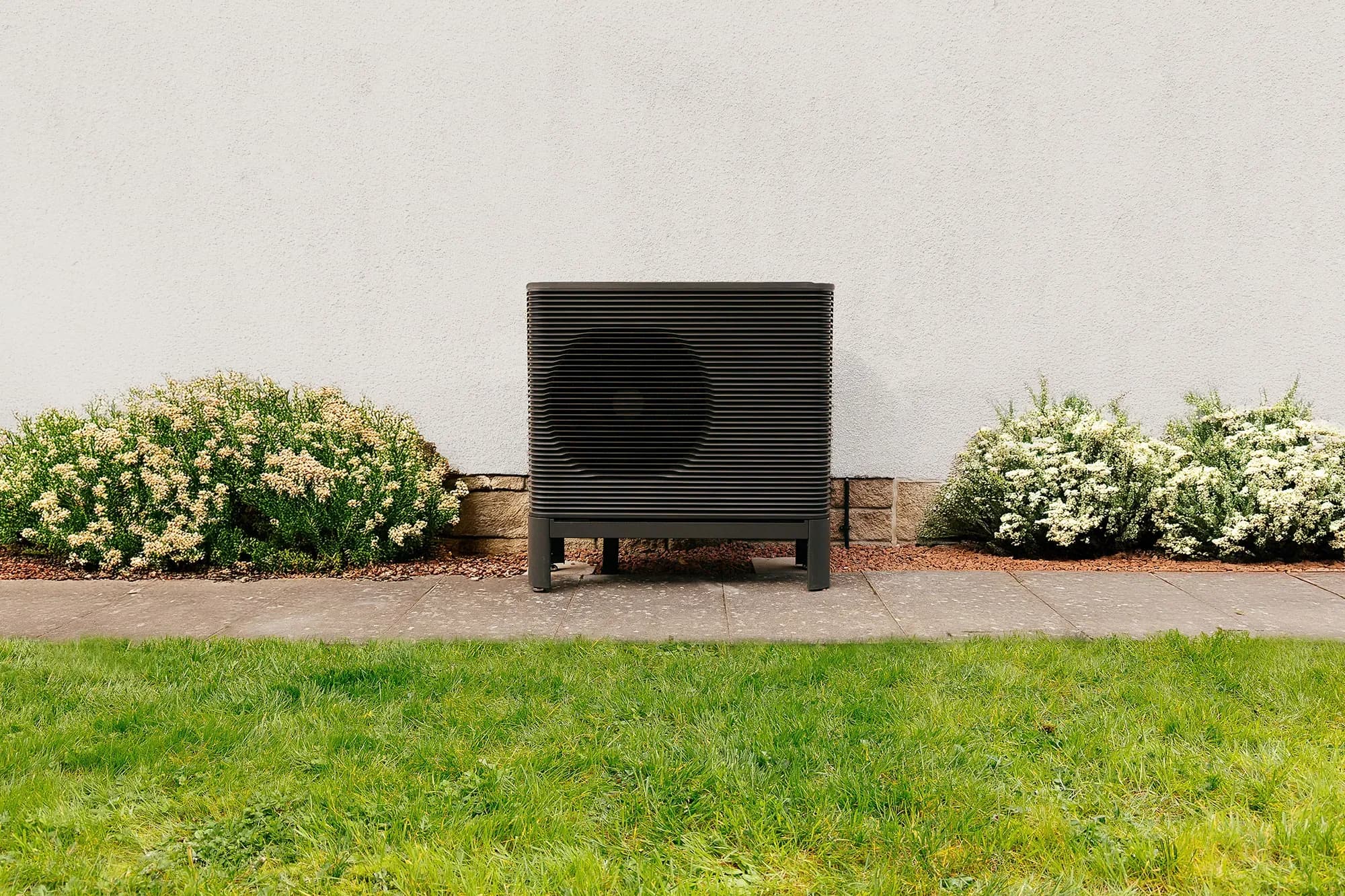
Refrigerants are substances capable of transitioning between liquid and gaseous states. This unique property enables them to absorb and release heat, powering the heating and cooling cycles of heat pumps. Modern refrigerants, such as R410A, replaced older, ozone-depleting options like R22 (Freon). The Aira Heat Pump uses the natural refrigerant R290 (propane) for its reduced environmental impact.
How heat pumps use refrigerants
Heat pumps work by transferring heat rather than generating it. Here’s how:
- In Heating Mode: The refrigerant extracts heat from outside air, even in cold weather, and releases it indoors to warm your space.
- In Cooling Mode: The cycle reverses, pulling heat from your home and expelling it outside to keep interiors cool.
This closed-loop process relies on the refrigerant’s ability to efficiently transfer heat, ensuring optimal performance and minimal energy consumption.
Environmental impact of refrigerants
The type of refrigerant used in heat pumps has a significant impact on their environmental footprint. Traditional refrigerants like R22 were phased out due to their Ozone Depletion Potential (ODP). Even newer synthetic options like R410A, though ozone-safe, still contribute to global warming due to their high Global Warming Potential (GWP).
Natural refrigerants such as R290 (propane) and CO2 (R744) are gaining popularity for their eco-friendly properties:
- Low GWP: Natural refrigerants contribute far less to climate change.
- Ozone-Friendly: They do not harm the ozone layer, unlike older synthetic counterparts.
Using more eco-friendly alternatives aligns with global efforts to reduce greenhouse gas emissions and comply with stricter environmental regulations.
Maintaining refrigerant efficiency
To maximise the efficiency and lifespan of your heat pump:
- Schedule routine maintenance to check refrigerant levels and ensure there are no leaks.
- Use certified technicians to handle refrigerants safely and effectively, like Aira’s highly trained and specialised technicians.
The path to sustainability
As the industry moves toward banning high-GWP refrigerants in favour of natural alternatives, heat pumps are at the forefront of eco-conscious innovation. Systems using refrigerants like R290 exemplify the shift toward greener technologies that balance performance with sustainability.
Conclusion
Refrigerants are the unsung heroes of heat pump technology, enabling efficient climate control in homes worldwide. By choosing heat pumps and supporting the transition to natural refrigerants, you can enjoy year-round comfort while contributing to a more sustainable future.
What type of house do you live in?

Related articles

Performance & reliability
12 Oct 2026
How long does a heat pump take to heat water?
How long does a heat pump take to heat water? Discover typical reheat times, what affects them and how the right system design keeps plenty of hot water ready for every shower, bath and tap.

Solar & battery
2 Oct 2026
Can solar panels power a heat pump entirely?
Solar panels can power your heat pump. But only when they’re generating enough electricity. Discover how winter, battery storage and smart controls like Aira Intelligence determine how much of your heating can come straight from your roof.

Costs & benefits
24 Sept 2026
Europe’s energy independence starts at home
Europe’s reliance on imported fossil fuels leaves countries – and household energy bills – exposed to events beyond their control. See how a heat pump, solar panels and home battery can work together to lower costs and bring greater energy independence home.
Heat pumps: The basics
21 Sept 2026
When a heat pump isn’t worth it – and what can change that
A heat pump can be a brilliant investment, but forcing one into a home that isn’t ready can lead to higher bills and cold rooms. Here’s when a heat pump may not be worth it yet – and the changes that can turn a no into a yes.
Comparing options
18 Sept 2026
The difference between a heat pump and an air conditioner
Heat pumps and air conditioners may look similar, but they can do very different jobs around the home. Discover how air conditioning, air-to-air and air-to-water heat pumps compare, from cooling and hot water to installation and cost.

Performance & reliability
19 Aug 2026
Heat loss calculations explained: why they matter for your heat pump
A heat loss calculation shows how much warmth escapes from every room in your home. Here’s how it helps your installer choose the right heat pump and design a system that keeps you comfortable.
Performance & reliability
14 Aug 2026
How poor flow rate can damage your heat pump's performance
A poor flow rate can make your heat pump less efficient, increase your running costs and leave your home feeling colder than it should. Here's what flow rate actually means, why it matters and how the right system design helps your heat pump perform at its best.

Heat pumps: The basics
13 Aug 2026
Your rights if your heat pump installation goes wrong
Has your heat pump installation gone wrong? Or worried it will go wrong? From MCS protections to the Consumer Rights Act to what to do if your installer stops trading, here's a straightforward guide to your rights and the steps you should take.
Heat pumps: The basics
13 Aug 2026
Heat pump warranties explained: what MCS covers – and what it doesn’t
Most homeowners think MCS certification guarantees their heat pump's performance. It doesn't. Here's what an MCS certificate actually covers, where its protection ends, and the warranty and guarantee questions every homeowner should ask before choosing an installer.

Heat pumps: The basics
4 Aug 2026
What a good heat pump installation actually looks like
A good heat pump installation is about much more than fitting an outdoor unit and connecting a few pipes. Here’s how to judge the survey, system design, workmanship, commissioning and aftercare – plus the red flags to look out for.
Costs & benefits
29 Jul 2026
Heat pump grant UK 2026: £9,000 for oil & LPG boiler homes
The UK heat pump grant has increased to £9,000 for oil and LPG homes. Here’s who qualifies, what it covers, and why now could be the right time to switch.
Costs & benefits
22 Jul 2026
VAT scrapped on electricity bills: What it means for heat pumps
The government is scrapping VAT on household electricity bills from 1 October. Here's what that means for heat pump running costs, why electricity is becoming more affordable, and how the latest change strengthens the case for switching from a boiler.