24 March 2026
7 min read
Home power inverter: What it does and why your home energy system needs one

Published on
24 March 2026
Time to read
7 minutes
Key takeaways
- A home power inverter converts solar DC electricity into AC power your home and appliances can use.
- Hybrid inverters and smart power hubs convert solar DC to AC for your home, and AC back to DC to store energy in your battery – helping shift energy use to cheaper tariff periods.
- Integrated systems – where solar, battery and heat pump work together – help your home use more of its own energy and rely less on the grid.
A home power inverter is the central component of any solar or battery system. It converts the electricity generated by your solar panels into the type of power your home actually uses.
In modern systems – like the Aira Home Energy System – it does far more than that. A hybrid inverter also manages how energy moves around your home: powering appliances, charging your battery, and working with your heat pump to run your home as efficiently as possible.
If you’re considering solar panels, a home battery, or combining them with a heat pump, understanding the role of the inverter will help you make a better decision. Here’s what you need to know.

Talk to a Clean Energy Expert
What is a home power inverter?
A home power inverter (often simply called an inverter) is the device that converts electricity from one form into another so your home can use it.
Solar panels produce direct current (DC) electricity. But your home, appliances and heat pump run on alternating current (AC). A power inverter performs that conversion, turning solar electricity into usable power for your home.
In a simple solar setup, that’s the inverter’s main job. But in a modern hybrid system – with solar panels, a home battery, and devices like a heat pump or EV charger – the inverter becomes the control centre for your home’s energy.
It decides, moment by moment, whether solar energy should:
- power your home directly
- charge your battery
- or be exported back to the grid
It also manages when stored battery energy is used and can even import cheaper electricity at certain times to charge your battery.
That combination of conversion and smart energy management is why the inverter is often described as the centre of a home energy system.
Types of home inverter: Standard, hybrid, and smart power hub
Not all home power inverters work the same way. The right one depends on how your home energy system is set up – and how much control you want over where your energy goes.
Some inverters simply convert solar electricity for your home. Others manage solar panels, battery storage and smart energy use across your whole system.
Here are the three most common types.
Standard solar inverter
A standard solar inverter converts the DC electricity produced by your solar panels into AC electricity your home can use. Any excess solar energy is then exported back to the grid.
It’s the simplest type of inverter and usually the lowest cost. But it has limitations. Standard inverters are designed mainly for solar generation, so adding battery storage later can require extra equipment – or sometimes replacing the inverter entirely.
If you’re planning a solar-only system, this type of inverter can work well.
Hybrid inverter (solar and battery)
Because it connects your solar panels, battery and electricity supply, a hybrid inverter manages how energy flows through your home.
Solar panels produce direct current (DC) electricity. Your home runs on alternating current (AC). A hybrid inverter converts that solar energy into usable power for your home.
But it also works in the other direction. When electricity comes from the grid, the inverter can convert AC power into DC so your battery can store it.
That means your battery can charge from solar during the day – or from the grid when electricity prices are low. Many hybrid systems use this to work with smart electricity tariffs, storing cheaper energy and using it later when prices rise.
Smart power hub (full home energy hub)
A smart power hub – sometimes called a home energy hub – takes the role of a hybrid inverter further. Instead of only managing solar panels and battery storage, it connects and coordinates your entire home energy system.
That means your solar panels, home battery, heat pump and other devices work together as one system, rather than operating independently.
Using data like your electricity tariff, live energy use and even weather forecasts, the power hub decides when energy should be stored, used or exported to the grid.
This is particularly valuable for heat pump homes. A smart power hub can run heating when solar generation is highest or when electricity prices are lowest – helping reduce running costs automatically.
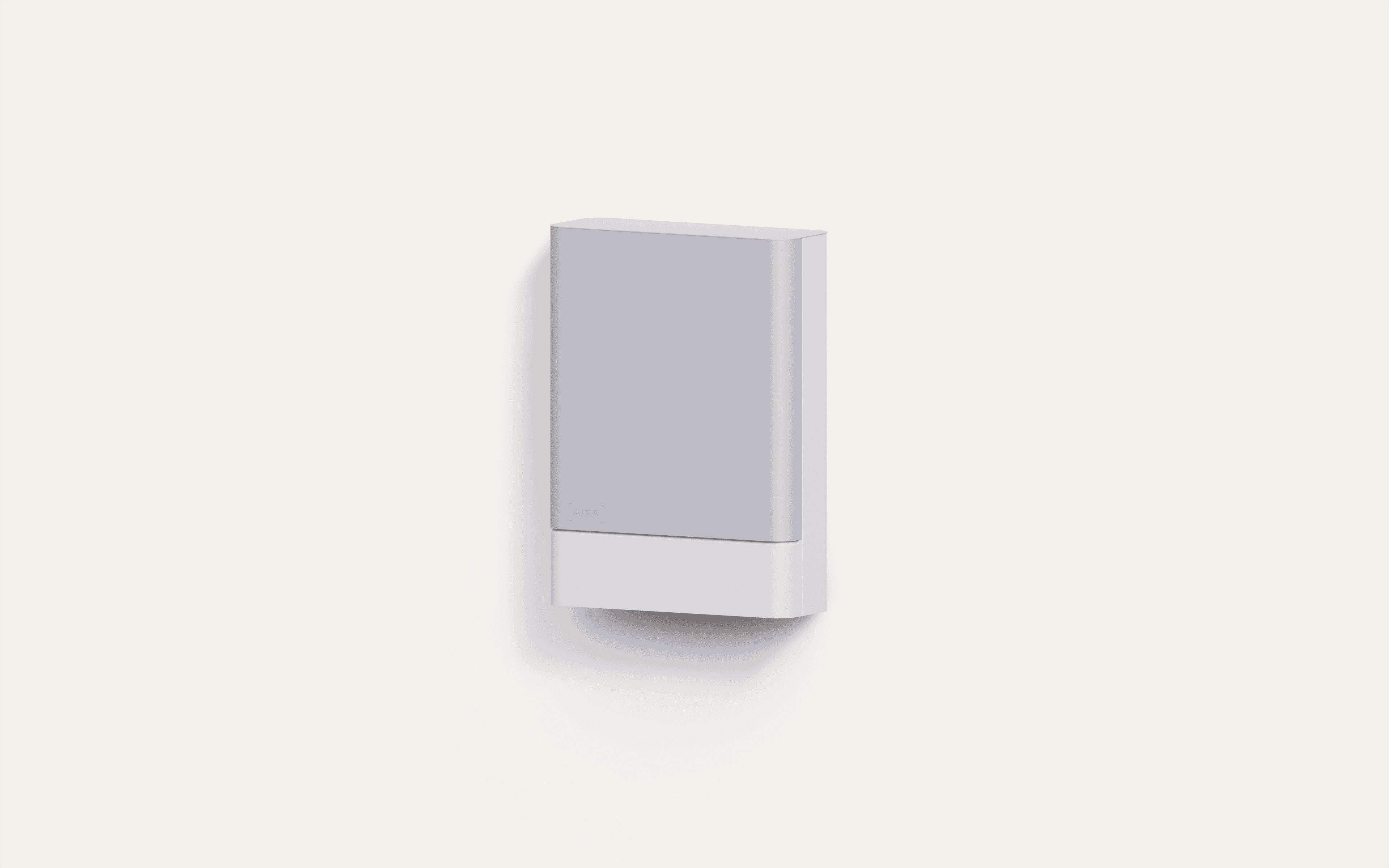
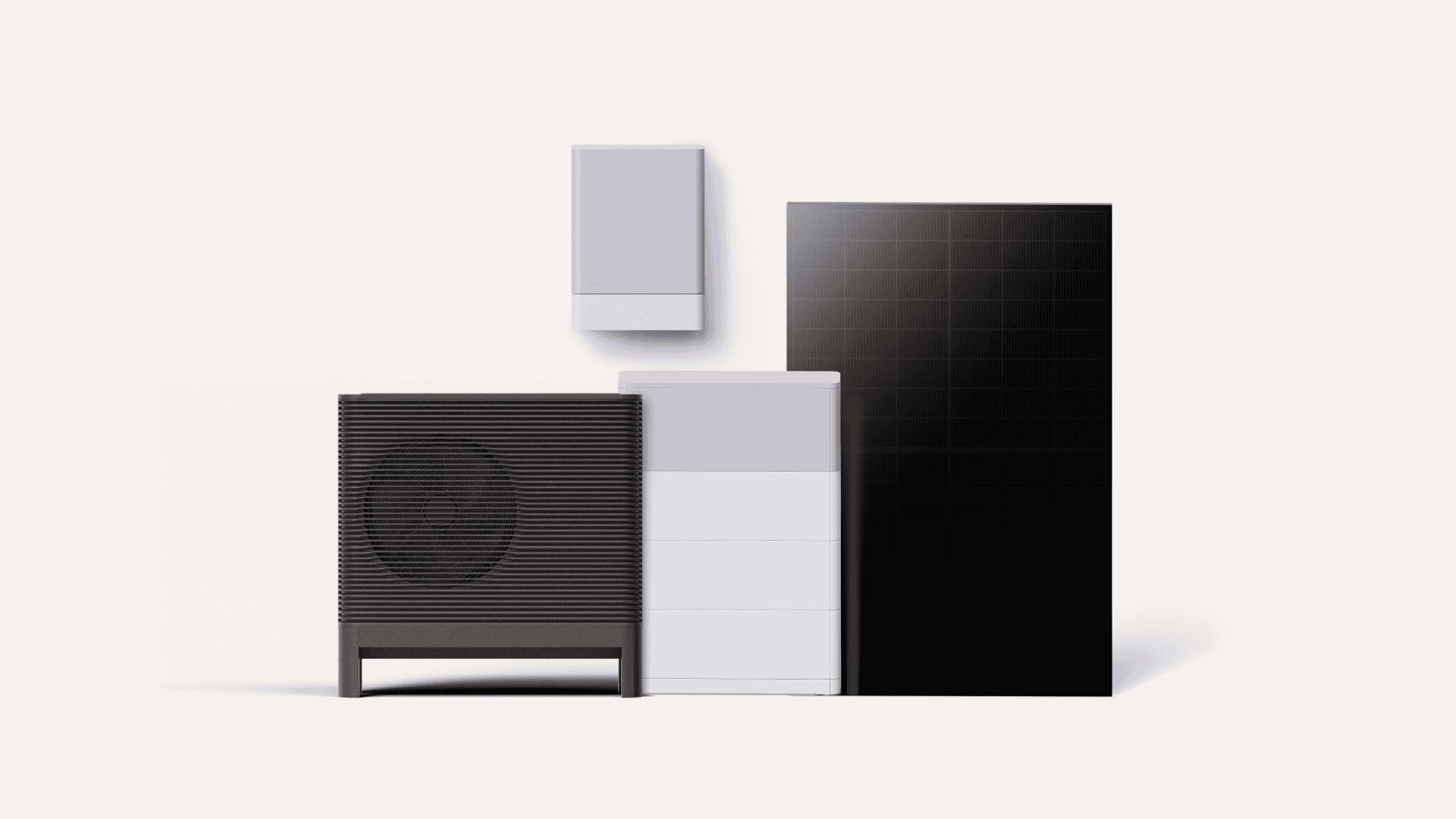
The Aira Power Hub is designed to work seamlessly and exclusively with the Aira Heat Pump, solar panels and Power Store battery. It works with Aira Intelligence as the central energy hub for your home – balancing where energy flows so your system runs as efficiently as possible.
Inverter types compared
Type | Solar PV | Battery Storage | Smart Control | Best for |
Standard | ✓ | X | X | Solar-only installs with no battery plans |
Hybrid | ✓ | ✓ | Basic | Solar + home battery storage |
Smart Hub | ✓ | ✓ | ✓ Full | Full system: solar, battery, heat pump, EV |
How a power hub for solar and battery connects your home
In a fully integrated home energy system, electricity flows through the power hub at every stage. It manages how solar power, stored battery energy and grid electricity move around your home.
Here’s what that typically looks like in practice:
- Your solar panels generate DC electricity during daylight hours
- The inverter converts this to AC electricity your home can use
- Any surplus energy charges your home battery
- Once the battery is full, extra solar power can be exported to the grid (earning export payments)
- After sunset, your battery powers your home using the energy stored earlier
- If needed, the grid supplies additional electricity
A smart power hub adds another layer of optimisation. It can shift energy-heavy tasks – like running your heat pump or charging an EV – to times when solar generation is highest or electricity prices are lowest.
This process is often called load shifting or self-consumption optimisation, and it’s one of the most effective ways to reduce energy bills over time.
Key features to look for in a home energy inverter
1. Capacity and future expandability
Make sure the inverter’s power rating matches the size of your solar system. It should also allow room for expansion if you want to add more panels or increase battery capacity later.
Installing an undersized inverter can limit performance – and replacing one later adds unnecessary cost.
2. Real-time monitoring and app control
Most modern inverters come with a companion app showing live solar generation, battery charge levels and household electricity use.
This information helps you understand how your system is performing and when it’s best to run high-energy appliances.
3. Backup power during grid outages
Some hybrid inverters support backup or island mode, allowing your battery to power essential circuits during a power cut.
Not every inverter offers this feature, so if backup power matters to you, confirm it’s included before installation.
4. Compatibility with your battery and heat pump
Compatibility across your system is critical. Not every inverter works with every battery or heat pump.
Smart system integration relies on the correct communication protocols between devices. Installing mismatched components can limit performance and affect warranties.
That’s why integrated systems – where all components are designed to work together – tend to deliver the best results.
Frequently asked questions about home power inverters
Do I need a new inverter if I add a battery to an existing solar system?
In many cases, yes.
Standard solar inverters are designed for solar generation only. Adding battery storage often requires upgrading to a hybrid inverter or installing additional battery-specific equipment.
If you think you may want a battery later, installing a hybrid inverter from the start is usually the more cost-effective option.
Can a smart power hub control my heat pump?
Yes – with the right system configuration.
A smart energy hub connected to a compatible heat pump can schedule heating to run when solar generation is highest, or electricity prices are lowest.
This kind of smart coordination can significantly reduce heat pump running costs, especially in winter when solar generation is lower.
How long does a home inverter last?
Most quality inverters last 10 to 15 years, with some premium models rated closer to 20 years.
Inverters are often the first component in a solar system to be replaced, so warranty terms matter. Look for a minimum 10-year manufacturer warranty.
What is the difference between a solar inverter and a hybrid inverter?
A standard solar inverter converts solar electricity for immediate use in your home or export to the grid.
A hybrid inverter also manages battery storage, allowing excess solar energy to be stored and used later.
For homeowners installing solar panels and a battery together, a hybrid inverter is usually the more flexible long-term option.
Get the right inverter from the start
Choosing the right home power inverter matters more than most homeowners realise.
The wrong inverter can limit what your system is capable of. The right one – properly integrated with your solar panels, battery and heat pump – helps your home use more of its own energy and rely less on the grid.
At Aira, we design complete home energy systems where every component works together from day one.
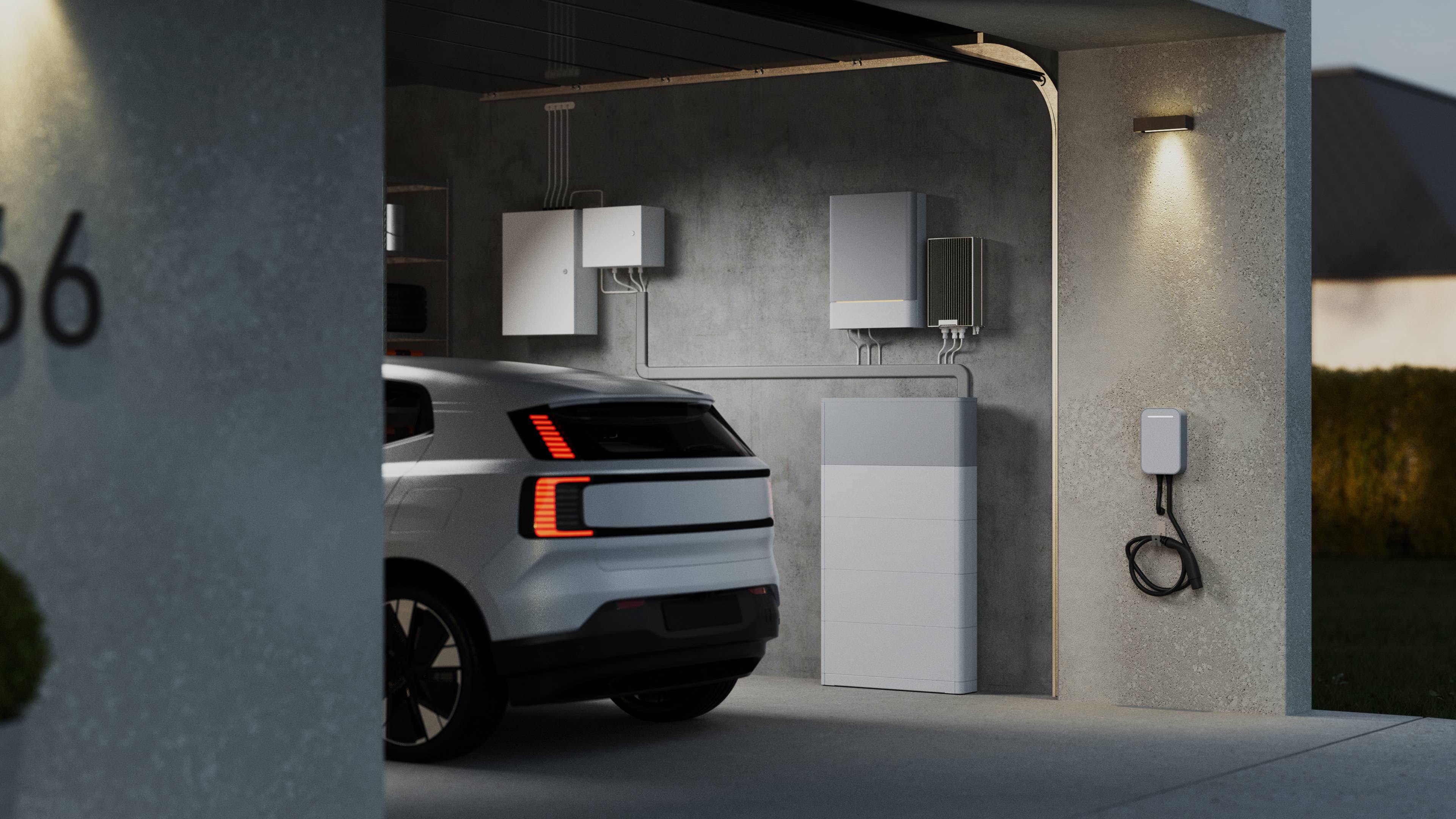
That’s why we install our own Aira Power Hub. It’s designed to work seamlessly with the Aira Heat Pump, your solar panels, the Power Store battery and Aira Intelligence – so your whole system runs as efficiently as possible.
See how an Aira Home Energy System could work for you
Answer 4 quick questions about your home to get started
What type of house do you live in?

Related articles
Solar & battery
19 Jun 2026
How to choose solar panels in 2026: a buyer’s checklist
Choosing solar panels is about more than finding the cheapest quote. This buyer’s checklist explains what really matters in 2026, from efficiency and wattage to warranties, shade optimisation and smart home energy systems.
Costs & benefits
26 Mar 2026
What is a home energy ecosystem – and how does it work?
A home energy ecosystem connects solar panels, a home battery and a heat pump so they work together as one intelligent system. Instead of relying on the grid for everything, your home can generate, store and use its own energy – cutting energy bills and giving you more control over how your home is powered.