12 October 2026
8 min read
How long does a heat pump take to heat water?

Updated on
12 October 2026
Time to read
8 minutes
Key takeaways
- A heat pump heats both your home and hot water. It stores the hot water in an insulated cylinder, so it’s normally ready when you turn on the tap.
- Everyday reheating is usually a top-up, not a complete reheat from cold. How long it takes depends on how much water you use, the cylinder size and the heat pump’s output.
- As an example, with an Aira system, a 100-litre cylinder paired with a 6kW heat pump takes around 50 minutes to reheat from cold. A 300-litre cylinder paired with a 12kW heat pump takes around 74 minutes. But having a completely cold hot water cylinder is extremely rare.
Yes, heat pumps heat your hot water as well as your home – they just do this a little differently from combi boilers.
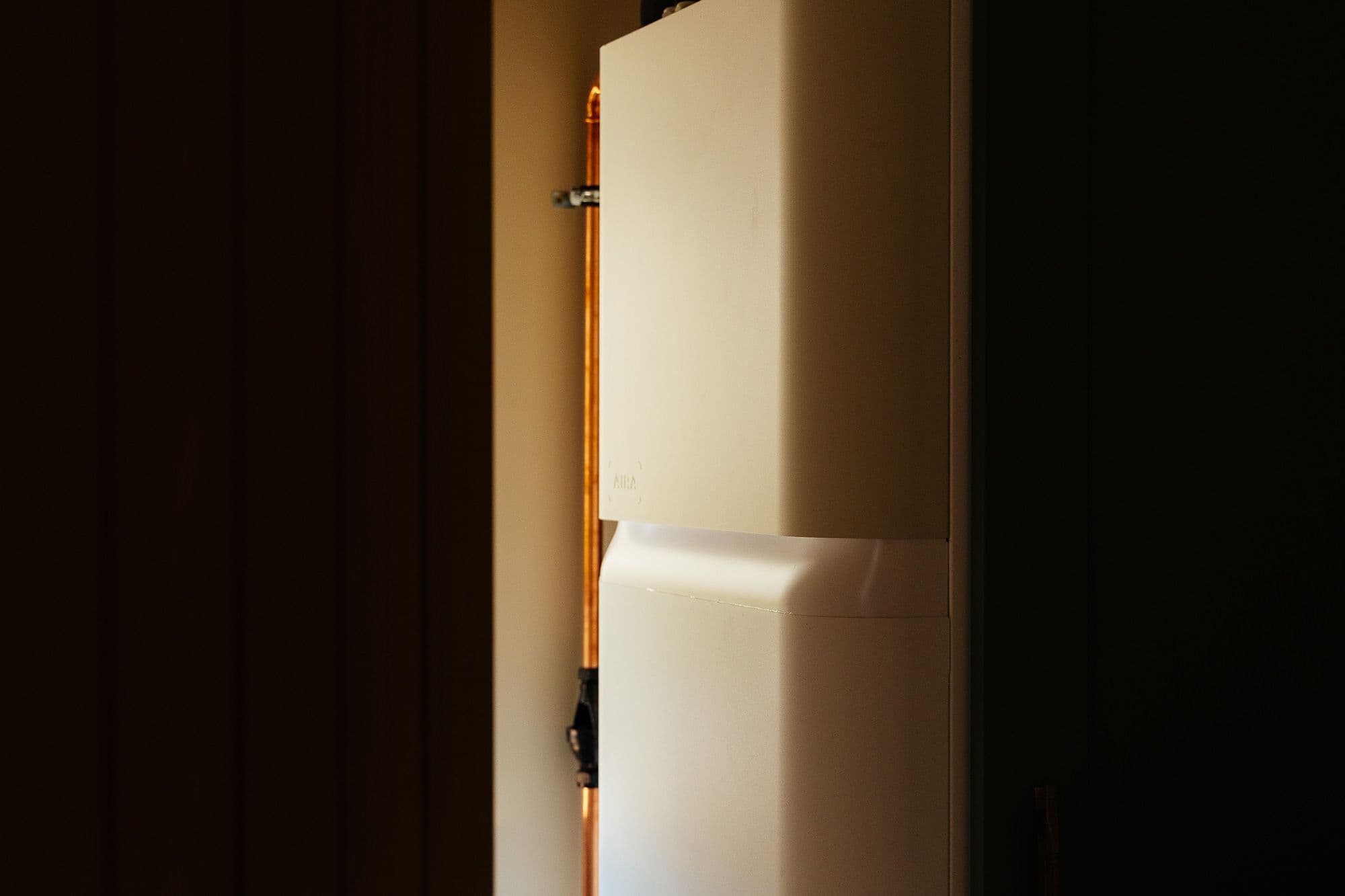
Instead of heating water the moment you open the tap, an air-to-water heat pump (like the Aira Heat Pump) heats it in advance and stores it inside an insulated cylinder, or indoor unit.
So, how long does a heat pump take to heat water? With an Aira Heat Pump, a complete reheat from cold can take around 50 to 74 minutes, depending on the heat pump and cylinder. But that isn’t normally how your system works from day to day.
Most of the time, it’s simply topping up the hot water you’ve used. Get the system design right, and you shouldn’t be left waiting for your next shower.

Talk to a Clean Energy Expert
Hot water reheat times depend on what you mean by ‘reheat’
When people ask how long a heat pump takes to heat water, they could be asking three slightly different questions.
Hot water reaching your tap
If there’s already hot water inside the cylinder, it’s ready to use. You’ll only wait for it to travel through the pipes from the cylinder to your tap or shower.
That’s the same short wait you may already experience with a boiler and hot-water cylinder.
Reheating after a shower
One shower doesn’t normally empty the entire cylinder. The system only needs to replace the warmth lost when cold water enters to replace what you’ve used.
The precise time will depend on the shower length, cylinder temperature and system design. But this is a partial top-up, so it will be quicker than heating the entire cylinder from cold.
Heating a complete cylinder from cold
This is the longest scenario—and one you’re unlikely to experience very often.
For two Aira system examples:
- A 6kW Aira Heat Pump with a 100-litre hot-water cylinder takes around 50 minutes to reheat from cold.
- A 12kW Aira Heat Pump with a 300-litre hot-water cylinder takes around 74 minutes to reheat from cold.
A larger cylinder contains more water, but it will normally be paired with a heat pump capable of delivering more heat. That’s why three times as much water doesn’t necessarily mean three times the wait.
These are examples of complete Aira systems. The reheat time for another home or heat pump may be different.
Heat pumps store hot water so it’s ready when you need it
A heat pump doesn’t usually wait until you turn on the shower before it starts making hot water.
It heats water in advance and stores it inside a well-insulated cylinder. Think of it as keeping a supply ready rather than starting from zero every time somebody opens a tap.
As you use hot water, cold water enters the cylinder. Your heat pump then reheats it according to its settings and schedule.
This is why the time taken to heat a completely cold cylinder doesn’t tell you how long you’ll wait between everyday showers. In normal use, the system is usually replenishing only part of your supply.
How an air source heat pump heats water
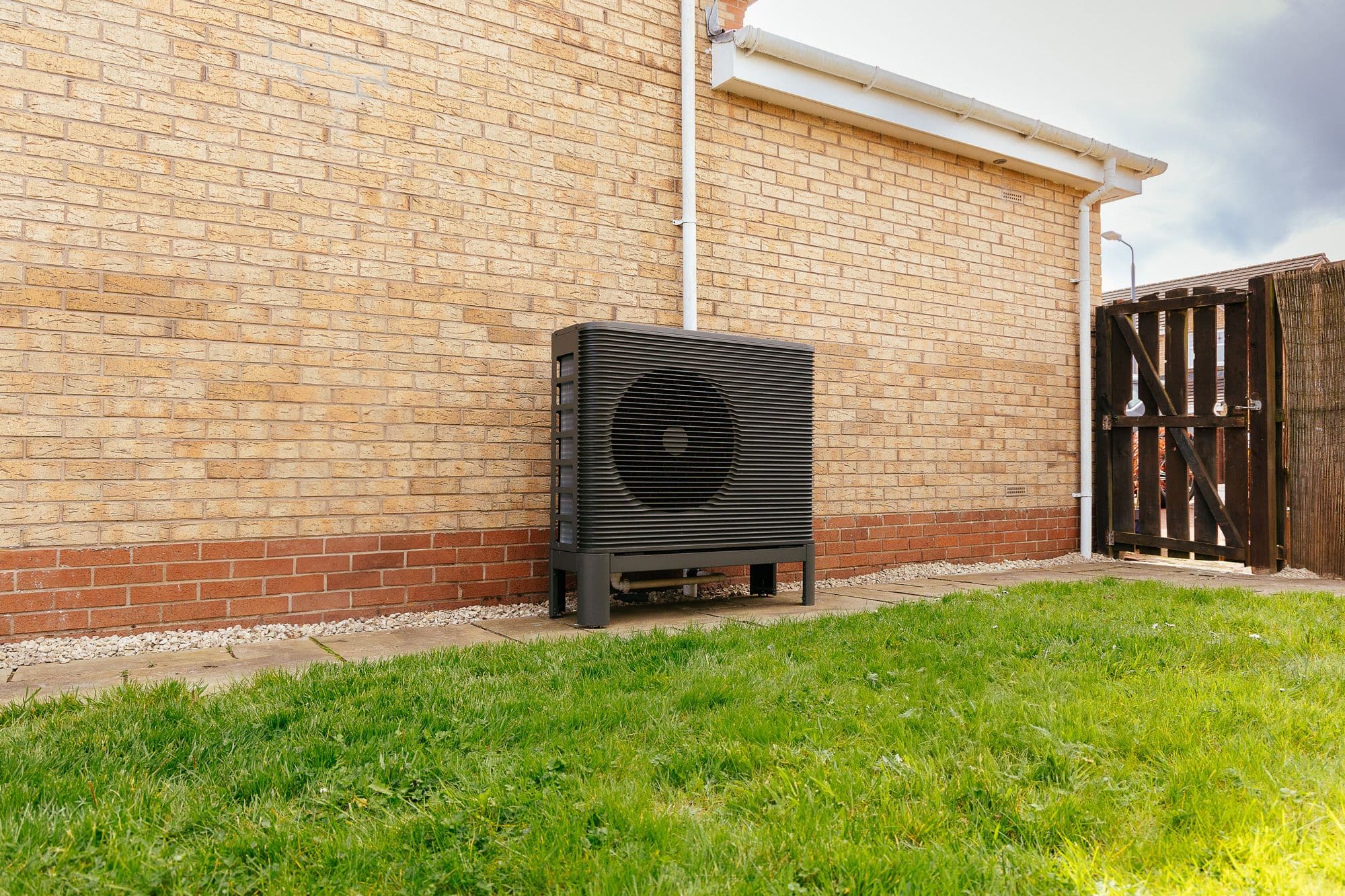
An air source heat pump collects heat from the outside air. Yes, even when it’s cold outside.
A refrigerant absorbs that heat before passing through a compressor, which raises its temperature. The system then transfers the heat into the water stored inside your hot-water cylinder.
Because the heat pump moves existing warmth rather than burning fuel to create it from scratch, it can deliver several units of heat for every unit of electricity it uses.
Hot water for your taps and showers requires a higher temperature than the water normally sent to your radiators or underfloor heating. That means the heat pump will generally work less efficiently while heating the cylinder than while warming your home – but it remains a highly efficient way to make hot water.

What affects a heat pump’s hot water reheat time
There isn’t one reheat time that applies to every home. Several things are happening behind the scenes.
1. The amount of water you’ve used
A quick shower and a deep bath place very different demands on the cylinder.
The less hot water you use, the less the system needs to replace. That’s why an everyday top-up can be considerably quicker than a full reheat from cold.
2. The cylinder size
A larger cylinder holds more hot water, so there’s more to heat. But it also gives larger households a bigger supply for consecutive showers, baths and busy mornings.
The aim isn’t to choose the smallest cylinder so that it reheats quickly. It’s to choose the right cylinder for how the household actually uses hot water.
3. The heat pump’s output
A heat pump that can transfer more heat into the cylinder will generally reheat it more quickly. But bigger isn’t automatically better.
You wouldn’t fit a 12kW heat pump to a small home just to shorten the wait for hot water. For most of the year, it could produce more heat than the home needs, causing it to repeatedly switch on and off. This is known as short cycling, and it can reduce efficiency and place unnecessary strain on the system.
The heat pump should be sized around the home’s heat loss, while the cylinder and heat exchanger should be chosen to meet its hot-water needs. It all needs to work as one bespoke system.
4. The starting and target temperatures
The further the water temperature needs to climb, the longer it takes.
For example, reheating a cylinder from 42°C to 52°C requires far less time and energy than heating it from a completely cold 10°C to 52°C. That’s another reason why the full reheat time isn’t representative of everyday use.
Your chosen target temperature matters too. Heating the cylinder to 62°C will take longer and use more energy than heating it to 52°C. It gives you more usable hot water, because the hotter stored water mixes with more cold water at the tap – but you may not need that every day.
The right setting gives your household enough hot water without regularly heating it any higher than necessary.
5. The temperature outside
Even freezing air contains heat, but the heat pump has to work harder to collect it as the outdoor temperature falls.
This can affect its efficiency and the time needed to heat water, which is why the system should also be designed around the winter conditions where you live.
Heat pump and boiler hot water times aren’t directly comparable
A combi boiler heats water on demand when you open the tap. There’s no cylinder to reheat, but the amount it can provide at once is limited by its flow rate.
A boiler connected to a cylinder works more like a heat pump system. It heats water in advance and stores it until you need it. Because boilers often use much hotter water and a high output, they may reheat a cylinder faster.
A heat pump takes a steadier and more energy-efficient approach. Its cylinder is sized around the household so that it can store enough hot water while the system quietly replenishes what’s been used.
A faster reheat time doesn’t automatically make one system better. What matters is whether you have enough hot water when you need it – and how much energy the system uses to provide it.
The right cylinder helps prevent cold showers
It all starts with the system design. A cylinder that’s too small may struggle with several showers or baths close together. One that’s unnecessarily large will heat and store more water than the household needs.
That’s why Aira considers:
- How many people live in your home
- Whether you prefer showers, baths or both
- When your household normally uses hot water
- The number of bathrooms
- The space available for the indoor equipment
- The output of the heat pump
- How your needs may change in the future
We then design the heat pump and cylinder as one complete system around your home. So you’re not crossing your fingers every time you step in the shower.
Aira gives you control over your hot water
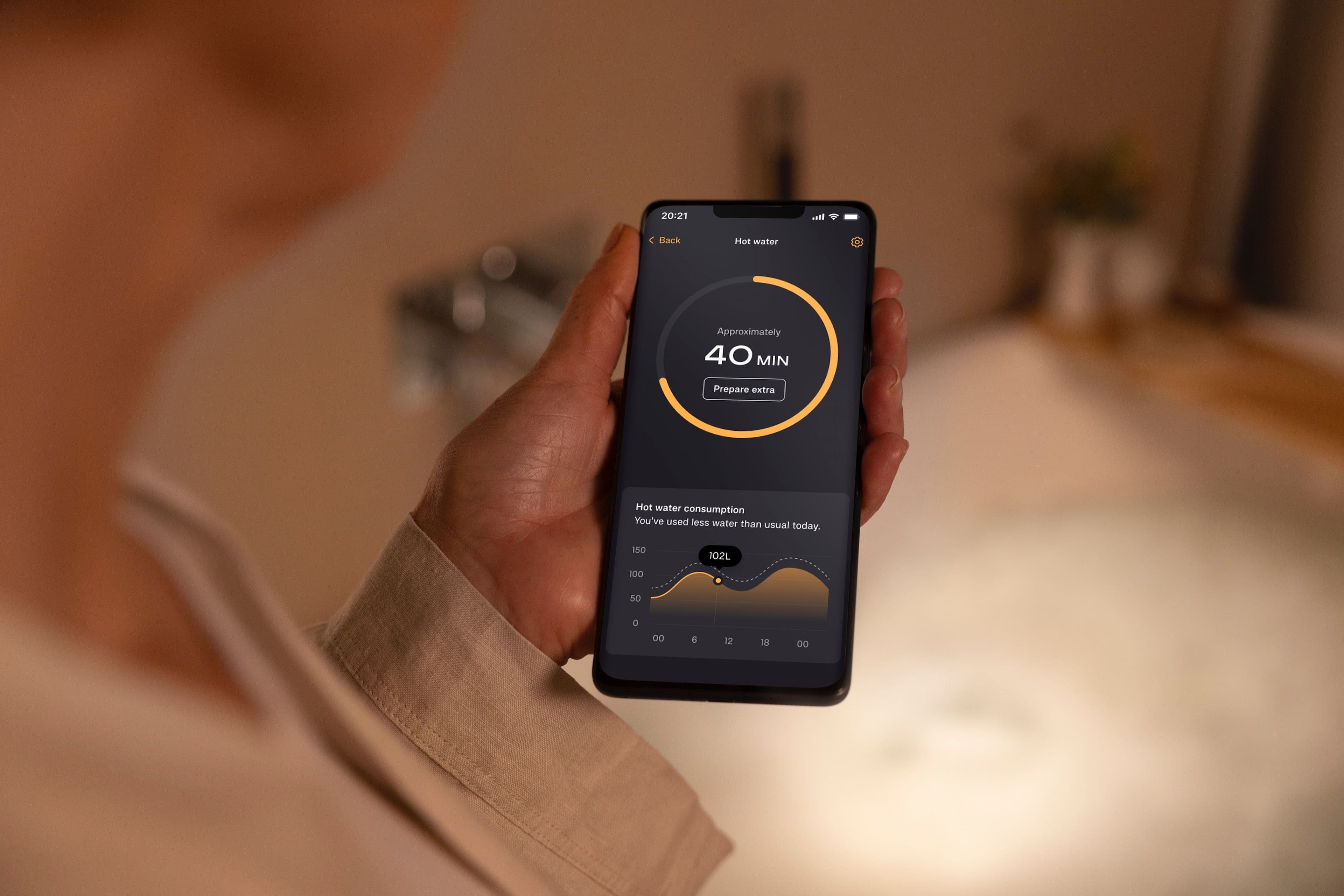
With the help of Aira Intelligence, your Aira Heat Pump is designed to learn how your home uses heating and hot water, helping it keep enough ready while using energy efficiently.
You can also choose between three hot-water settings in the Aira Home Energy app:
- Eco Saver – 42°C: Uses less energy while storing a smaller amount of usable hot water.
- Standard – 52°C: Balances hot-water availability with energy efficiency.
- Luxe – 62°C: Stores more usable hot water for homes with higher demand.
It’s important to understand that the water stored in your cylinder is hotter than the water you actually shower in, which is usually around 38-40°C. Before it reaches your shower head, the stored hot water mixes with cold water to bring it down to a comfortable temperature.
So, the hotter the stored water, the more shower-ready water your cylinder can provide. But reaching that higher temperature uses more energy. That’s why the best setting is the lowest one that comfortably meets your household’s needs.
With an Aira Heat Pump, extra hot water is there for the unusually busy days
Most days follow a familiar pattern. Then the whole family visits, three people want showers, and somebody decides it’s the perfect evening for a bath.
For those moments, you ask for extra hot water in the Aira Home Energy app. It temporarily makes more hot water available without permanently changing your usual settings.
It uses additional energy, so it’s best kept for occasional higher demand. If you find yourself using it regularly, your everyday hot-water setting may need adjusting.
Your tariff can make hot water cost less
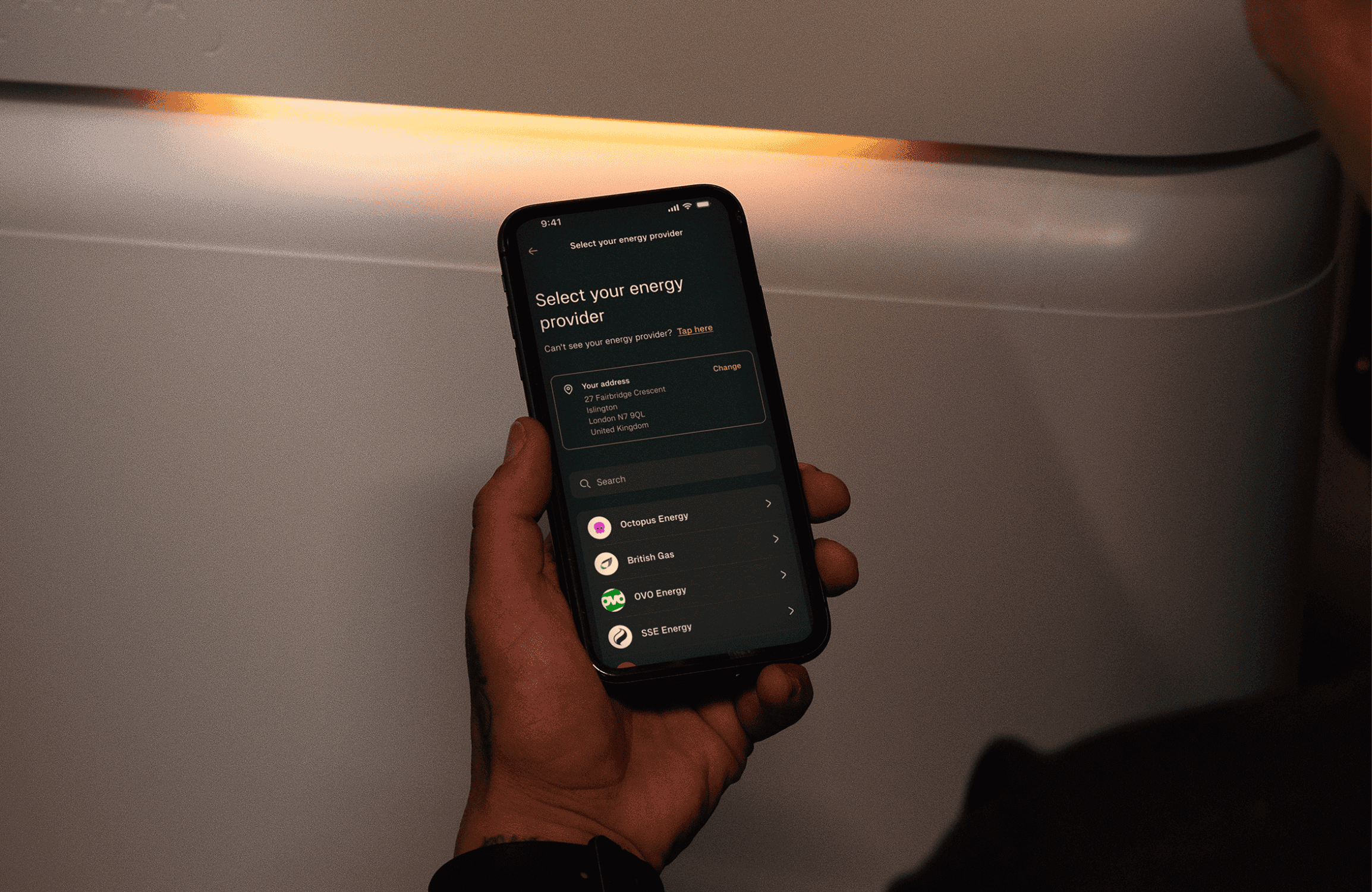
If your electricity tariff offers cheaper energy at certain times, your system may be able to make more hot water while prices are lower.
Connecting your tariff in the Aira app gives Aira Intelligence the information it needs to work around those changing prices. You still get the hot water you need, but more of it can be prepared when electricity costs less.
It won’t make the cylinder reheat faster. But it can make reheating it more affordable.
How long a heat pump takes to warm your home is different
Heating your hot-water cylinder and warming your home are two different jobs.
Heat pumps generally warm rooms at a steady pace rather than repeatedly blasting them with very hot water. How long the home takes to warm will depend on its size, heat loss, radiators, starting temperature and the weather outside.
That isn’t the same as the hot-water reheat times covered in this guide.
Hot water designed around your household
Two people taking quick showers need something very different from a family filling baths every evening.
During your free home energy assessment, we’ll look at your home, how you use hot water and what your household needs. We’ll then design the heat pump, cylinder and wider heating system around it.
Everything under one roof. From the first assessment and system design to installation and aftercare.
See how much you could save with an Aira Heat Pump
Answer 4 quick questions to get started
What type of house do you live in?

Related articles
Comparing options
18 Sept 2026
The difference between a heat pump and an air conditioner
Heat pumps and air conditioners may look similar, but they can do very different jobs around the home. Discover how air conditioning, air-to-air and air-to-water heat pumps compare, from cooling and hot water to installation and cost.
Performance & reliability
10 Apr 2026
Heat pump comfort problems: Cold rooms, uneven heat and hot water issues explained
Heat pumps heat homes differently from gas boilers, which can sometimes lead to concerns about comfort. This guide explains the most common heat pump comfort problems – from cold rooms to hot water issues – and how to fix them.