19 December 2025
5 min read
Is a heat pump ideal for your single-family detached home?

Published on
19 December 2025
Time to read
5 minutes
Key takeaways
- Single-family homes are ideal for heat pumps thanks to full control over insulation, space and installation.
- Heat pumps cut heating costs by around 25% while delivering steadier, more comfortable heat than boilers.
- Grants like the £7,500 Boiler Upgrade Scheme can significantly reduce upfront costs for eligible homes.
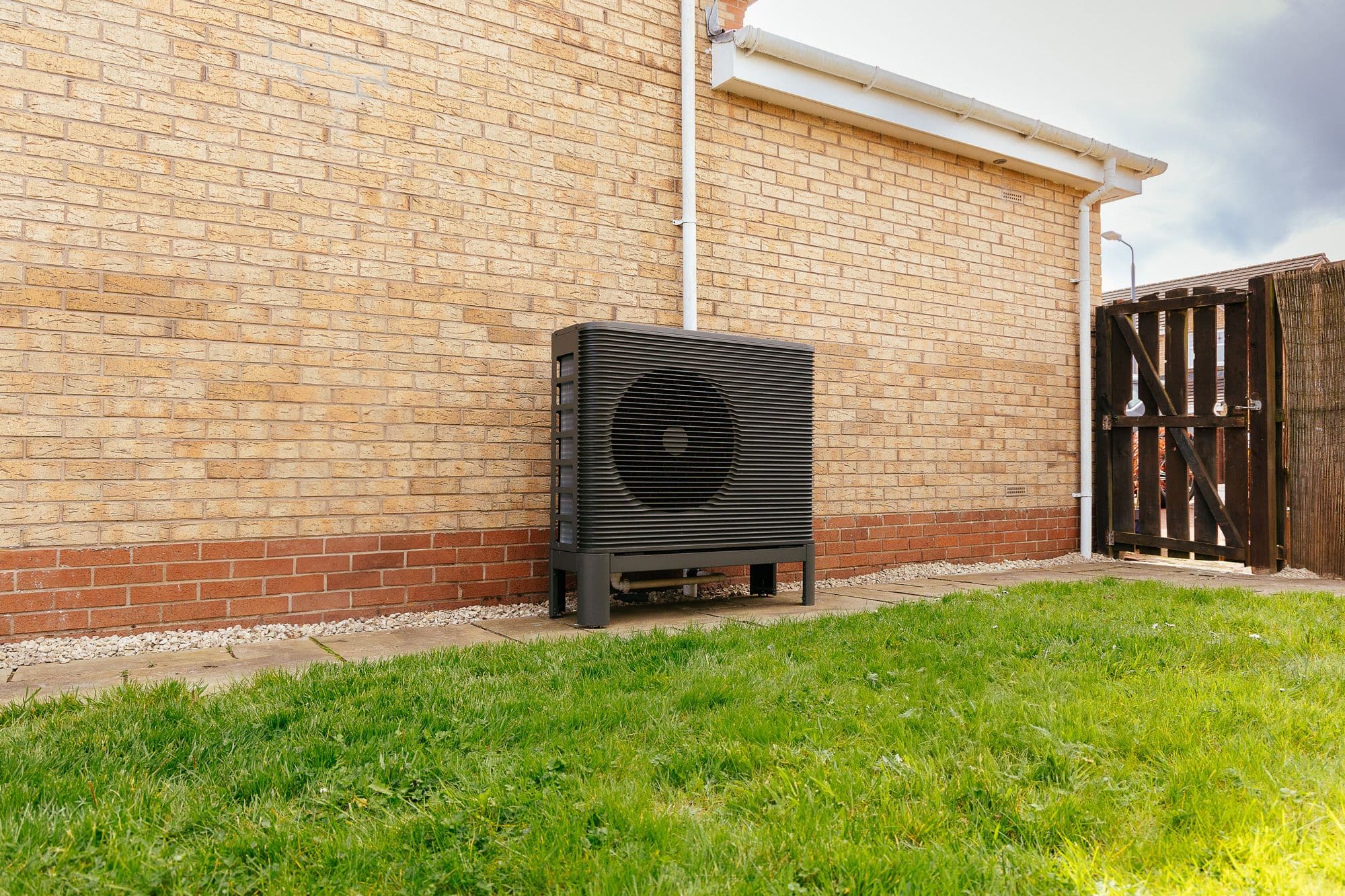
If you own a single-family detached home, you have something incredibly valuable when it comes to heating: full control. Your own walls, your own insulation, your own outdoor space. And that makes your home one of the best environments for a modern heat pump.
Heat pumps aren’t just an alternative to boilers – they’re fast becoming the default choice for efficient, low-carbon heating in single-family homes across Europe.
But how do they perform day-to-day? What do they cost? And will they keep your home warm, comfortable and affordable all year round? Let’s get into it.

Talk to a Clean Energy Expert
Why a heat pump suits a single-family home
Single-family detached homes have some natural advantages that make installing and running a heat pump simpler, smoother, and more cost-effective:
1. You control the whole home
No shared walls or landlord restrictions. You’re free to place the outdoor unit where you want, improve insulation, or upgrade radiators without negotiating with neighbours.
2. Plenty of space to install the system
Most single-family homes have:
- A suitable outdoor spot for the heat pump
- Space indoors for the indoor unit and buffer tank
- Accessible pipework and existing heating distribution
This makes installation simpler, faster and less disruptive.
3. Typical family energy use = bigger savings
If you live in a detached house, chances are you use more water and heating than a one-bedroom flat. And, if you’re currently heating with gas, oil, or LPG, switching to a heat pump can reduce your heating costs by around 25%.
4. Better day-to-day comfort
With a traditional boiler, single-family homes often struggle with inconsistent temperatures, drafts and cold rooms. Heat pumps deliver steady, even heat, which is perfect for multi-room, multi-floor layouts.
What your home needs for a heat pump to work at its best
Heat pumps work for most single-family homes, but a few factors can influence performance.
1. Good insulation makes the biggest difference
A well-insulated home holds onto heat, meaning:
- Lower energy use
- Lower running costs
- Faster warm-up times
If you’re not sure how well insulated your home is, talk to one of our experts about arranging a free home energy assessment. One of our Clean Energy Experts will tell you exactly what (if anything) needs upgrading.
2. Radiators sized for lower flow temperatures
Heat pumps run at lower water (or flow) temperatures than boilers. It’s one of the things that makes them efficient. Most modern radiators already work well, but older homes may need a few radiators upsized in key rooms.
Your Clean Energy Expert will calculate this by conducting a room-by-room heat loss assessment. Find out more about our expert installation process here.
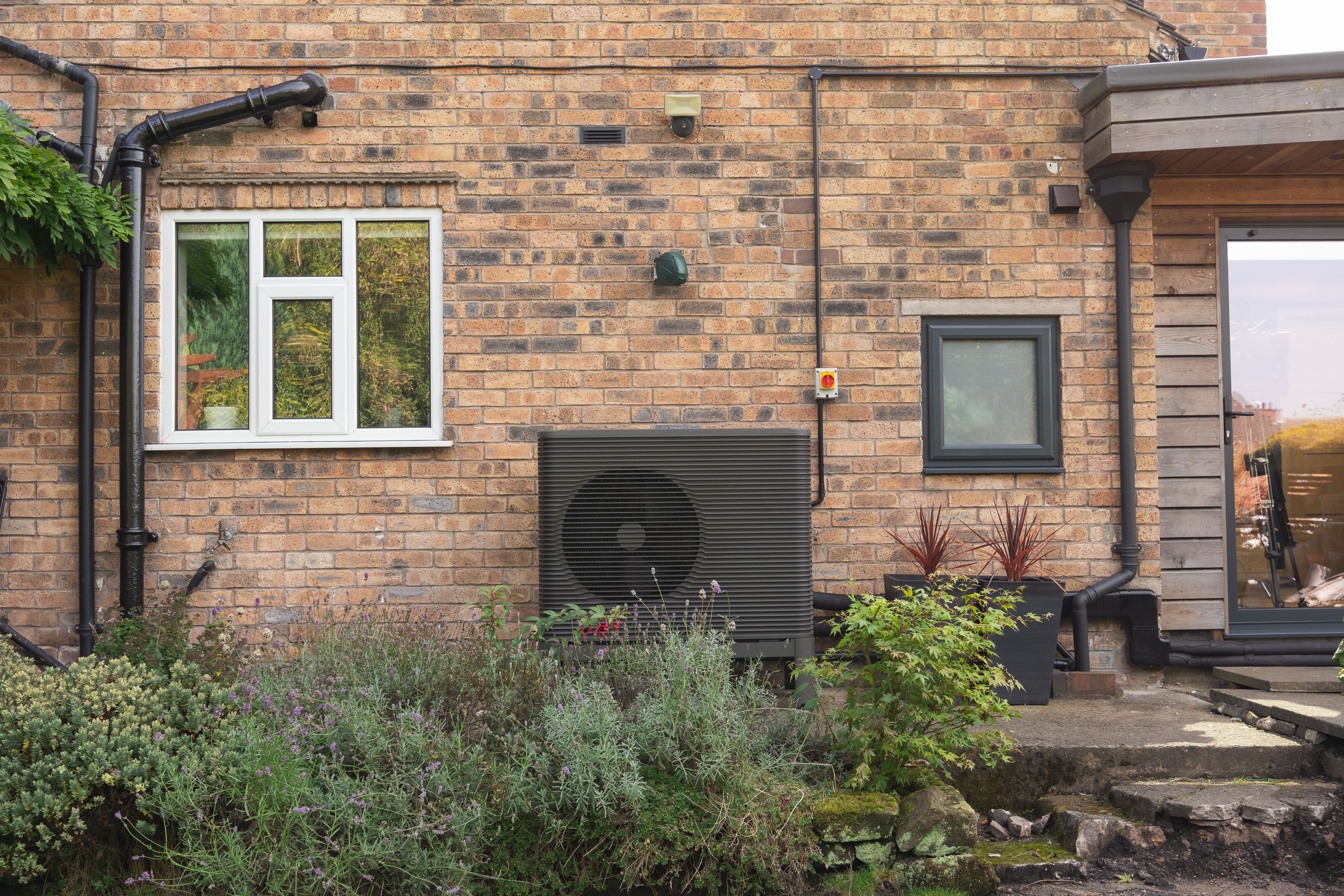
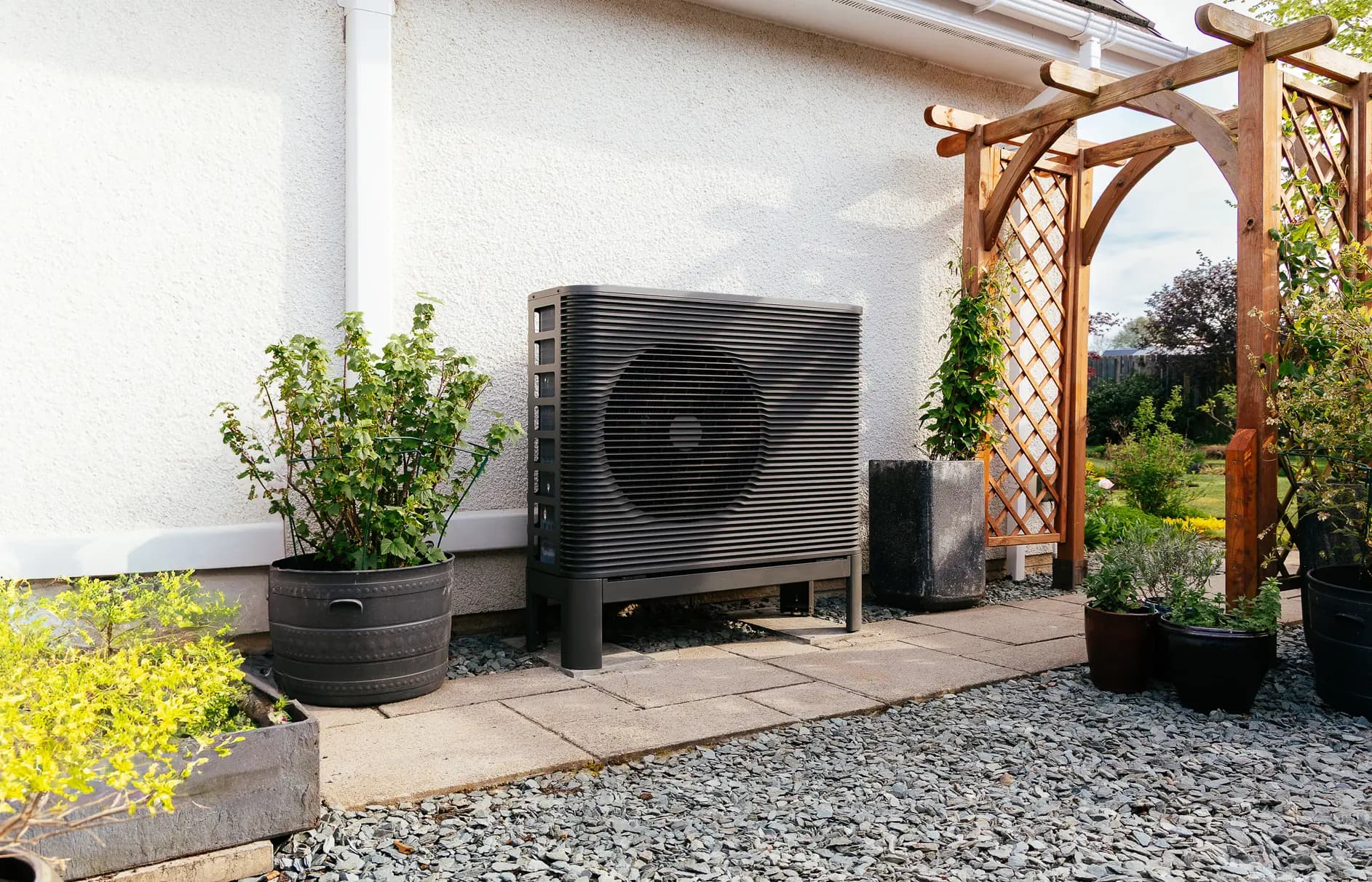
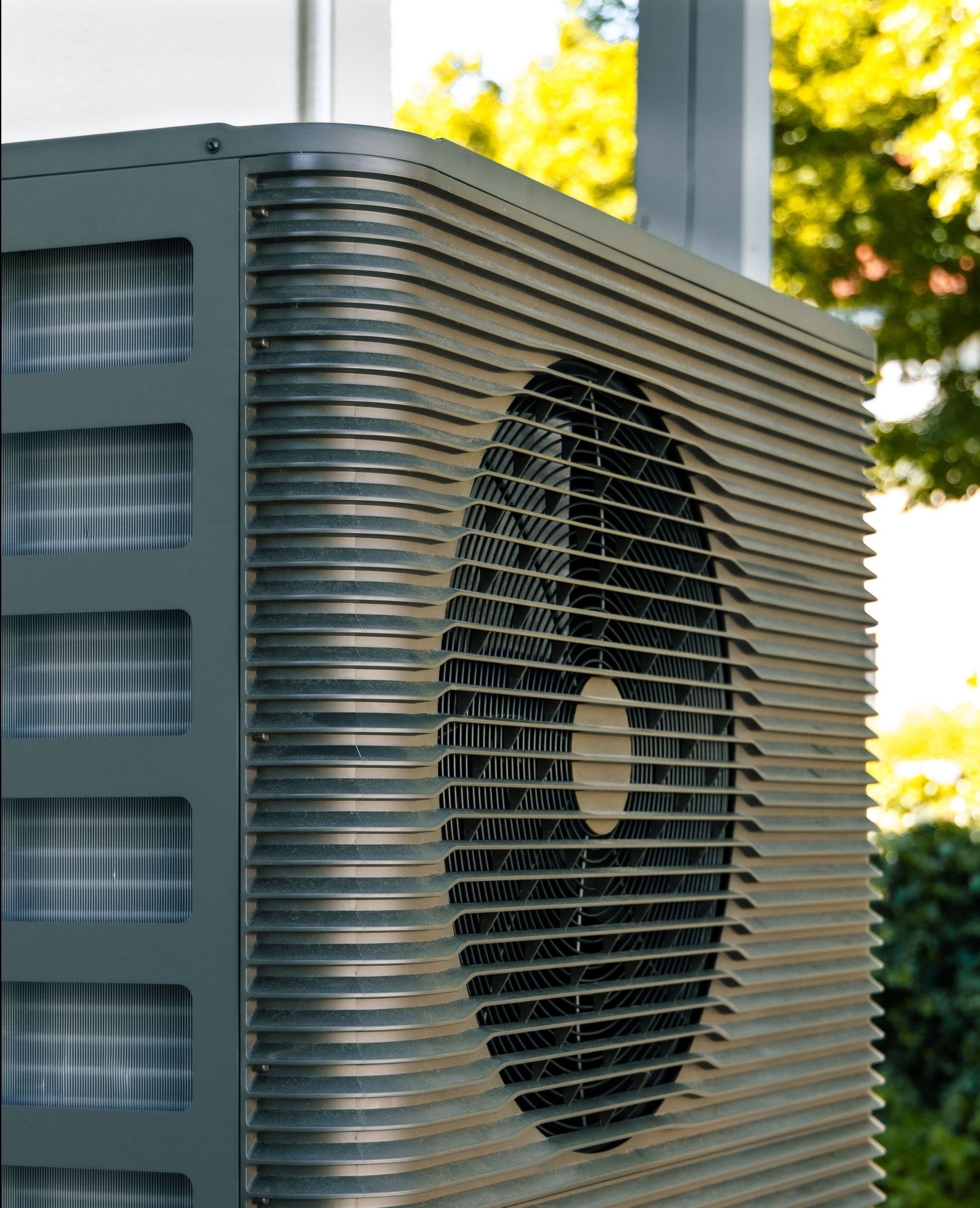
3. Space for the outdoor unit
Heat pumps just need:
- A clear outdoor spot (roughly the size of a washing machine)
- Good airflow
- A solid base
Noise is rarely an issue, modern systems like the Aira Heat Pump are designed to be whisper-quiet.
4. Enough electrical capacity
Heat pumps need a little bit of electricity to work, and most single-family homes already have sufficient electrical supply. If upgrades are needed, your Clean Energy Expert will confirm this before you commit to anything.
How much does a heat pump cost for a single-family detached home?
Every single-family home is different, which means heat pump pricing isn’t one-size-fits-all. The total cost depends on your home’s heat demand, the condition of your distribution system, and whether any upgrades are needed to get the best performance.
The main factors that affect cost are:
1. System size
Heat pumps are sized using a professional heat loss calculation (not guesswork). Larger homes, older properties, or those with higher heat loss typically need larger units.
For most single-family homes, a complete Aira system typically includes:
- Aira Heat Pump outdoor unit
- Indoor Unit and buffer tank or Indoor Unit Compact, buffer tank and hot water cylinder
- Full design, installation and commissioning by Aira Academy-trained technicians
- AI-powered optimisation with Aira Intelligence
- Simple controls with the Aira Thermostat and Aira Home Energy app
- A 15-Year Aira Guarantee covering servicing, maintenance and repairs
2. Your heat distribution system
Existing radiators may be perfectly suitable, or they might need to be replaced with larger radiators for lower flow temperature heating. Homes with underfloor heating usually need smaller systems.
3. Electrical requirements
Some homes need small electrical upgrades (e.g., consumer unit or cable capacity) to support the installation.
Want to see how much you can save with an Aira Heat Pump (and how much it might cost)? Use our heat pump cost calculator.
We also offer flexible financing options, so you can opt to spread the cost over manageable monthly payments.
Grants and subsidies can lower your upfront costs
Heat pump incentives in the UK are significant, and can dramatically reduce your upfront cost:
England & Wales: Boiler Upgrade Scheme (BUS)
The UK governmnent offers up to £7,500 toward an air source heat pump installation with the Boiler Upgrade Scheme.
Scotland: Home Energy Scotland Grant & Loan
The Home Energy Scotland Grant and Loan offers a combination of a £7,500 grant and £7,500 interest-free loan (even more if you live in a rural location), which can cover a substantial portion of the installation cost.
These schemes are subject to change. Contact our team, and we’ll see if you’re eligible for free.
What life is like with a heat pump in a single-family home
Consistent, even heat. Not on-off blasts
If your boiler currently leaves rooms too hot or too cold, a heat pump is a major upgrade. Instead of cycling on and off, it keeps a steady, comfortable temperature throughout the whole home.
Better air quality
No combustion, no fumes, no carbon monoxide risk.
Lower carbon footprint
You can cut emissions by around 75% instantly — and 100% if you pair the system with renewable electricity.
Future-proofing your home
Switching from a boiler to a heat pump takes your home fully electric — a major step toward the UK’s net-zero goals and increasing future efficiency standards.
So, is a heat pump ideal for your single-family home?
For most single-family detached homes, yes.
Here’s why:
- You get full control over installation and insulation.
- Your energy use (heating + hot water) is perfect for maximising savings.
- Comfort improves immediately – with steady heat, precision control and simpler maintenance.
- A fully electric system that uses thermal energy in the air to heat your home gives you more protection from fossil fuel price swings.
So, if your detached home is well insulated, a heat pump will slash your energy bills immediately.
Want to know if your home is suitable?
Answer 4 quick questions about your home to get started.
What type of house do you live in?

Related articles
Heat pumps: The basics
17 Apr 2026
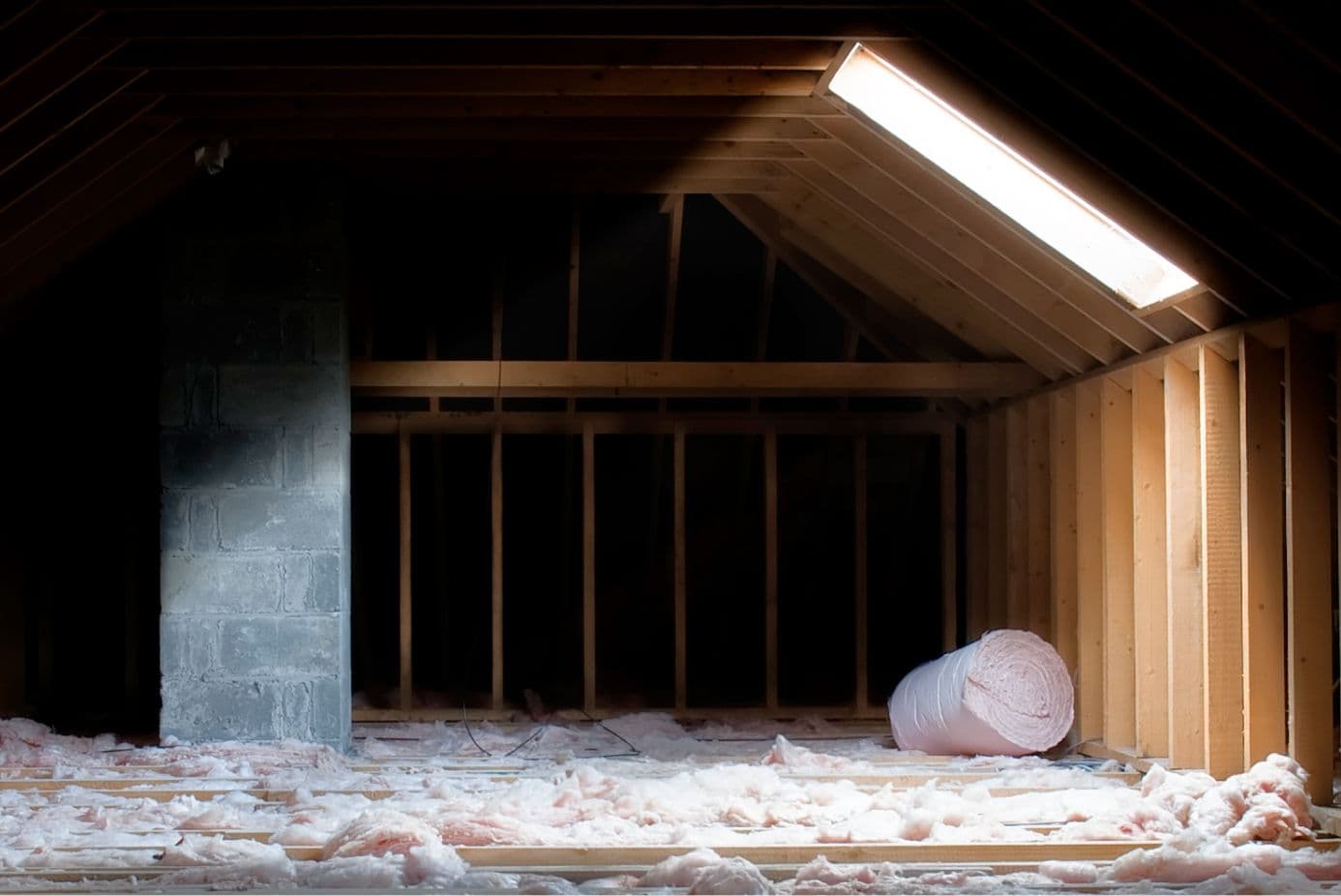
Do you need insulation before installing a heat pump?
Do you need to insulate your home before installing a heat pump? Not always. But the right level of insulation can make a big difference to performance, cost, and comfort.
Costs & benefits
29 Jul 2024
How much does it cost to run an air source heat pump
In this article, we'll explore the factors that sway the running costs of an air source heat pump, including the heat demand of your property, the efficiency of the pump itself, the insulation level of your home, and the type and size of the pump you choose.