22 February 2026
6 min read
Heat pump and battery storage: the ideal combination for your home

Published on
22 February 2026
Time to read
6 minutes
Energy prices are unpredictable. And more homeowners want control.
The idea of a self-sufficient home – one that generates, stores and uses its own clean energy – isn’t futuristic anymore. It’s possible today.
One of the smartest ways to get there? Combine a heat pump with a home battery.
In this article, we’ll break down:
- How a heat pump and battery work together
- When the combination makes most sense
- What impacts the return on investment
- What to consider before installing

Talk to a Clean Energy Expert
How a battery works with a heat pump
A heat pump uses electricity to heat your home and hot water. Instead of burning gas, it moves heat from the air, water or ground into your home. That’s why it’s so efficient.
But it still runs on electricity. And when electricity prices change throughout the day, when you use it matters.
This is where a home battery makes a difference.
A battery stores electricity so you can use it later. On a smart tariff – like a day & night or dynamic tariff – electricity is cheaper at certain times. Your battery can charge when prices dip, then power your home and heat pump when prices peak.
So instead of buying electricity at the most expensive times, you use what you’ve already stored.
That means:
- Less electricity bought during peak periods
- More heating shifted into lower-priced windows
- More control over your energy costs
Now add solar.
With solar panels, you’re not just shifting when you buy electricity. You’re generating your own.
During the day, your solar panels can power your heat pump directly. Any surplus energy charges your battery. Later – in the evening or when prices rise – your home runs on stored solar energy instead of the grid.
So even if you’re already buying electricity at cheaper smart-tariff rates, solar reduces how much you need to buy at all.
And that’s the difference.
- A heat pump uses electricity.
- A battery controls when you use it.
- Solar reduces how much you need from the grid.
Why add a home battery
Adding a battery isn’t right for every home. But in certain situations, it makes a big difference.
The ideal scenarios are:
- You already have solar panels
- You're on a flexible or dynamic tariff
- Your home has high energy demand
Let’s look at each one.
Solar panel owners
If you already have solar panels, a battery increases the value of every kilowatt-hour you produce.
Without storage, excess solar energy is exported to the grid – often at a lower rate than what you pay to buy electricity later.
With a battery, you store that energy and use it when your heat pump or appliances need it most.
More self-consumption. Less reliance on the grid. More savings.
Homes on flexible tariffs
Many suppliers now offer time-of-use (day & night) or dynamic tariffs (market tariffs), where prices change throughout the day.
Electricity is often cheaper overnight or during specific low-demand windows – and more expensive at peak times.
A battery can charge when electricity is cheaper and discharge when it’s more expensive. Combined with a heat pump, this means:
- Heating when prices are lower
- Reducing grid usage when prices are higher
Homes with higher energy demand
Larger homes – or households with high heating and hot water demand – benefit most from adding a battery.
A heat pump replaces gas with electricity. In bigger homes, that electricity demand can be significant.
A battery helps you manage that demand more intelligently.
On a smart tariff, it allows you to store electricity when prices are lower and use it when they rise. That reduces how much of your heating relies on peak-rate energy.
The more electricity your home uses, the more difference that timing can make.
Add solar, and the impact increases again. You’re not just shifting when you buy electricity — you’re reducing how much you need to buy at all.
When might it not be the right time to install a home battery
There are situations where installing a heat pump and battery may not yet deliver strong returns.
Low energy consumption
If your energy usage is very low, the financial return may take longer. The savings simply have less room to scale
Poor insulation
Heat pumps work best in well-insulated homes. If your home loses heat quickly, the system has to work harder – increasing electricity consumption. Improving insulation first can improve performance and reduce overall energy demand.
Fixed electricity tariffs
If your electricity price stays the same all day, there’s less opportunity to optimise when energy is used. The heat pump will still reduce your energy costs compared to a gas boiler, but a battery becomes less effective. Simple fix: switch to a smart tariff.
Sizing and installation of a storage battery
Getting the size right matters.
Too small, and you won’t store enough energy. Too large, and you may pay for capacity you rarely use.
How large should the battery be?
The ideal size depends on:
- Your solar production
- Your electricity consumption – especially for heating
For most homes, a battery between 5 kWh and 15 kWh covers evening and overnight demand effectively.
The goal is balance: enough storage to increase self-consumption, without overspending on unused capacity.
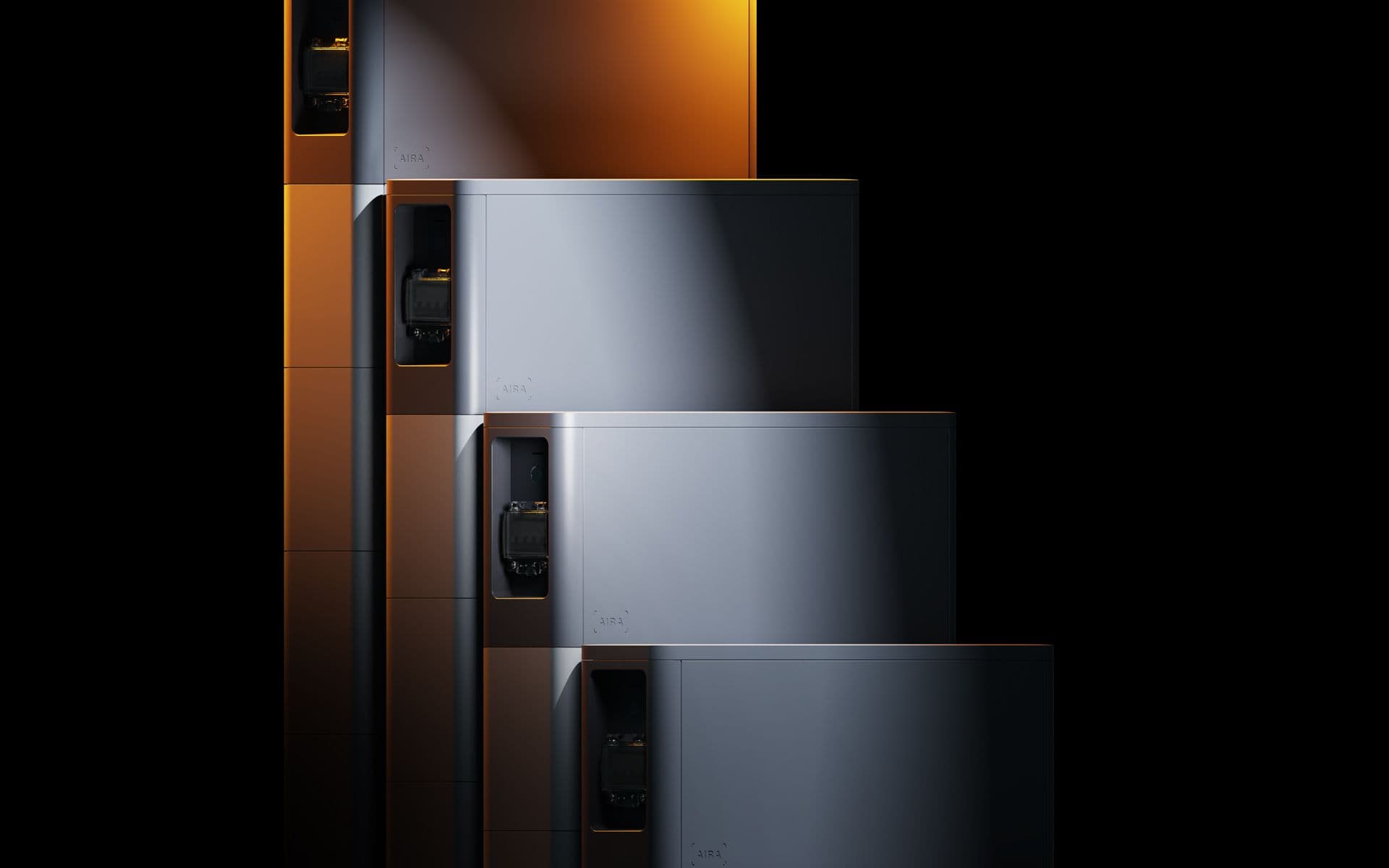
Aira’s Power Store battery is modular and expandable from 6.7 kWh to 20kWh. You can start with what you need today – and expand if your energy needs grow.
The ideal size depends on:
- Your solar production
- Your electricity consumption — especially for heating
For most homes, a battery between 5 kWh and 15 kWh covers evening and overnight demand effectively.
The goal is balance: enough storage to increase self-consumption, without overspending on unused capacity.

Integration with solar panels
If you have solar panels, a home battery can ensure any excess energy doesn’t go to waste. To make all this work, you need an intelligent inverter.
That’s the role of the Power Hub.
Power Hub manages the flow of electricity between:
- Your solar panels
- Your Aira Power Store
- Your heat pump
- The grid
With Aira Intelligence, it decides:
- When to use solar directly
- When to store it
- When to export it
- When to import from the grid
All automatically.
That’s why every solar and Power Store installation includes Power Hub as standard.
Heat pump compatibility
Most modern heat pumps can work with battery systems.
The real advantage comes when everything is connected through a smart energy management system, like Aira Intelligence.
Aira Intelligence coordinates:
- Heating demand
- Battery charging and discharging
- Solar production
- Energy prices
All automatically.
The Aira Home Energy System, which includes the Aira Heat Pump, solar panels with Power Hub inverter, and Aira Power Store battery, is designed to work as one integrated system. So you save up to 90% on your energy bills.
So, is a heat pump and battery storage right for your home?
Combining a heat pump and home battery isn’t just an upgrade. It’s how you take control of when your home uses energy.
- Your heat pump replaces gas.
- Your battery helps you use electricity at smarter times.
- Add solar, and you generate more of your own.
Each layer reduces reliance on the grid. And together, they work as one system.
The smart move isn’t adding separate technologies. It’s choosing a connected system designed to adapt. Like the Aira Home Energy System.
If you’d like to see what that looks like for your home, book a free, no-obligation home assessment.
Find out if an Aira Heat Pump and battery is right for your home
Answer 4 quick questions to get started.
What type of house do you live in?

Related articles
Costs & benefits
13 Oct 2026
Adding a battery to existing solar panels: what to know in 2026
Already have solar panels? Adding battery storage lets you keep more of the electricity your panels generate and use it when it matters most. In this guide, we explain how to add a battery to existing solar panels in the UK, what to check first, and how Aira integrate solar, storage and heating into one intelligent setup.
Solar & battery
2 Oct 2026
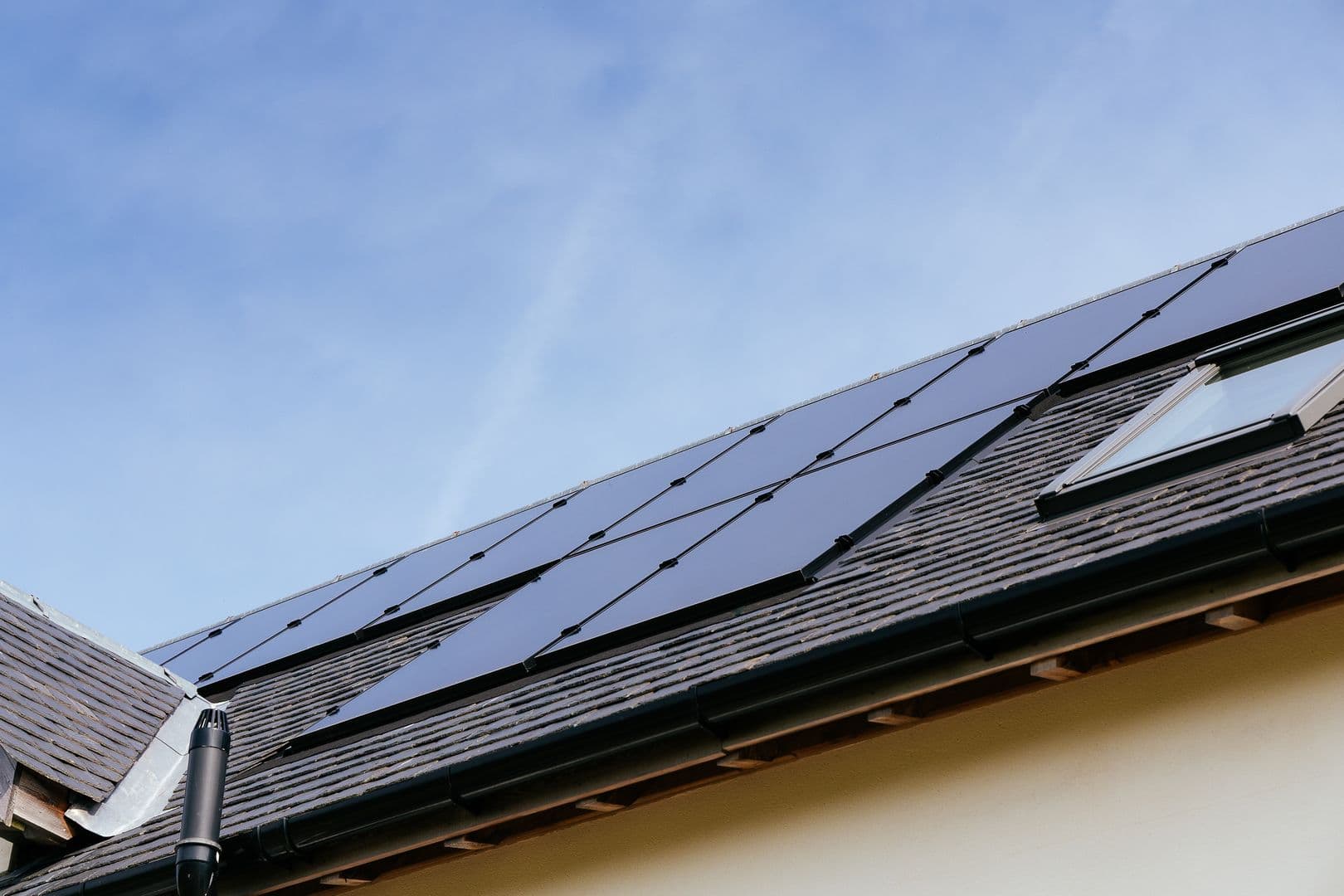
Can solar panels power a heat pump entirely?
Solar panels can power your heat pump. But only when they’re generating enough electricity. Discover how winter, battery storage and smart controls like Aira Intelligence determine how much of your heating can come straight from your roof.
Solar & battery
19 Jun 2026
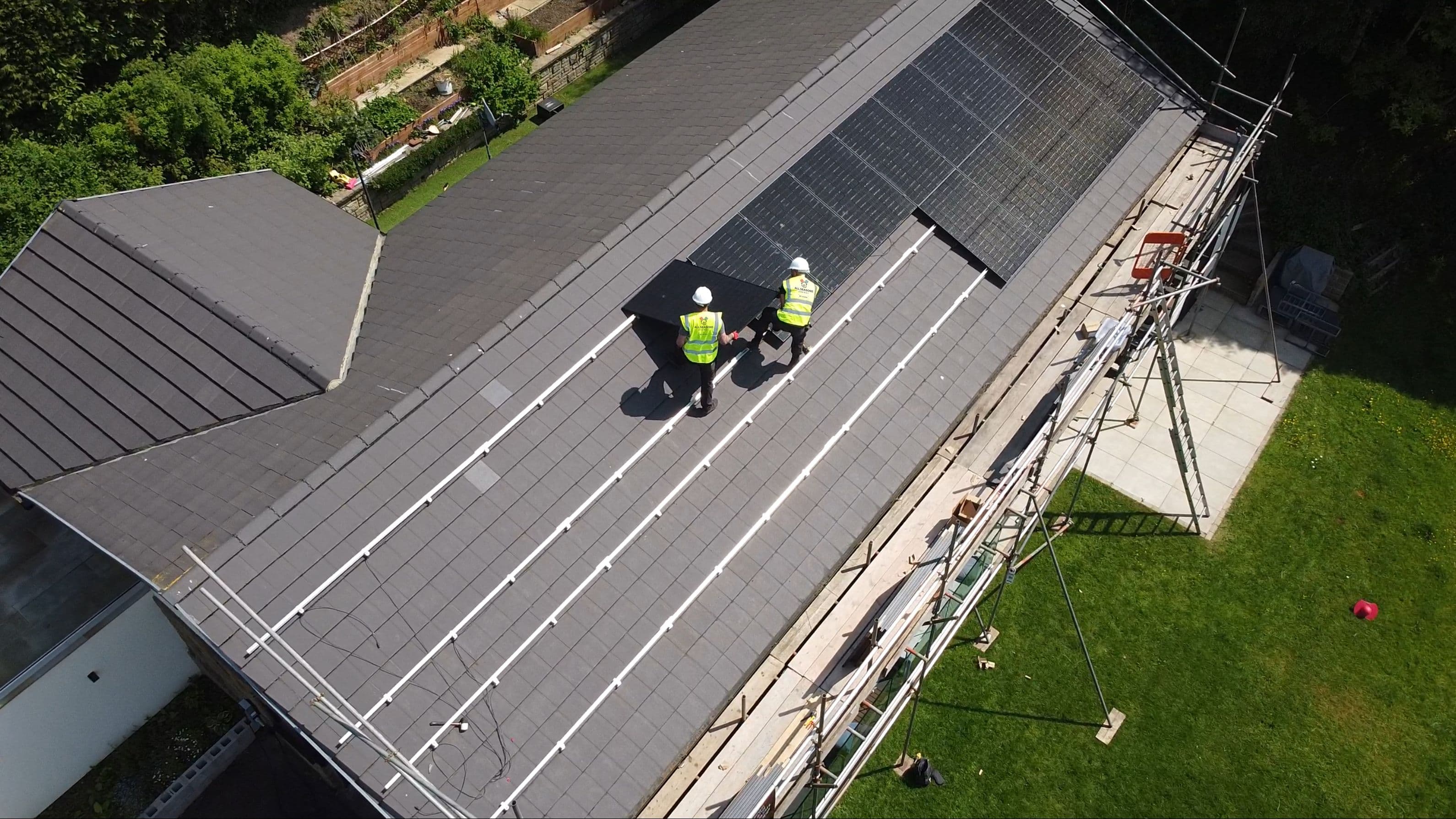
Solar panel cost UK: how much are solar panels in 2026?
Solar panels can significantly reduce how much electricity you buy from the grid, but how much do they actually cost? Discover average UK solar panel installation prices in 2026, what affects the final cost and whether adding battery storage is worth it.
Solar & battery
12 Jun 2026
Are solar panels worth it in 2026?
Are solar panels worth it in 2026? For many UK homeowners, yes. Discover how much solar panels can save, when they might not be worth it, and why pairing them with a heat pump, battery storage and Aira Intelligence can unlock even bigger savings.

Solar & battery
30 Apr 2026
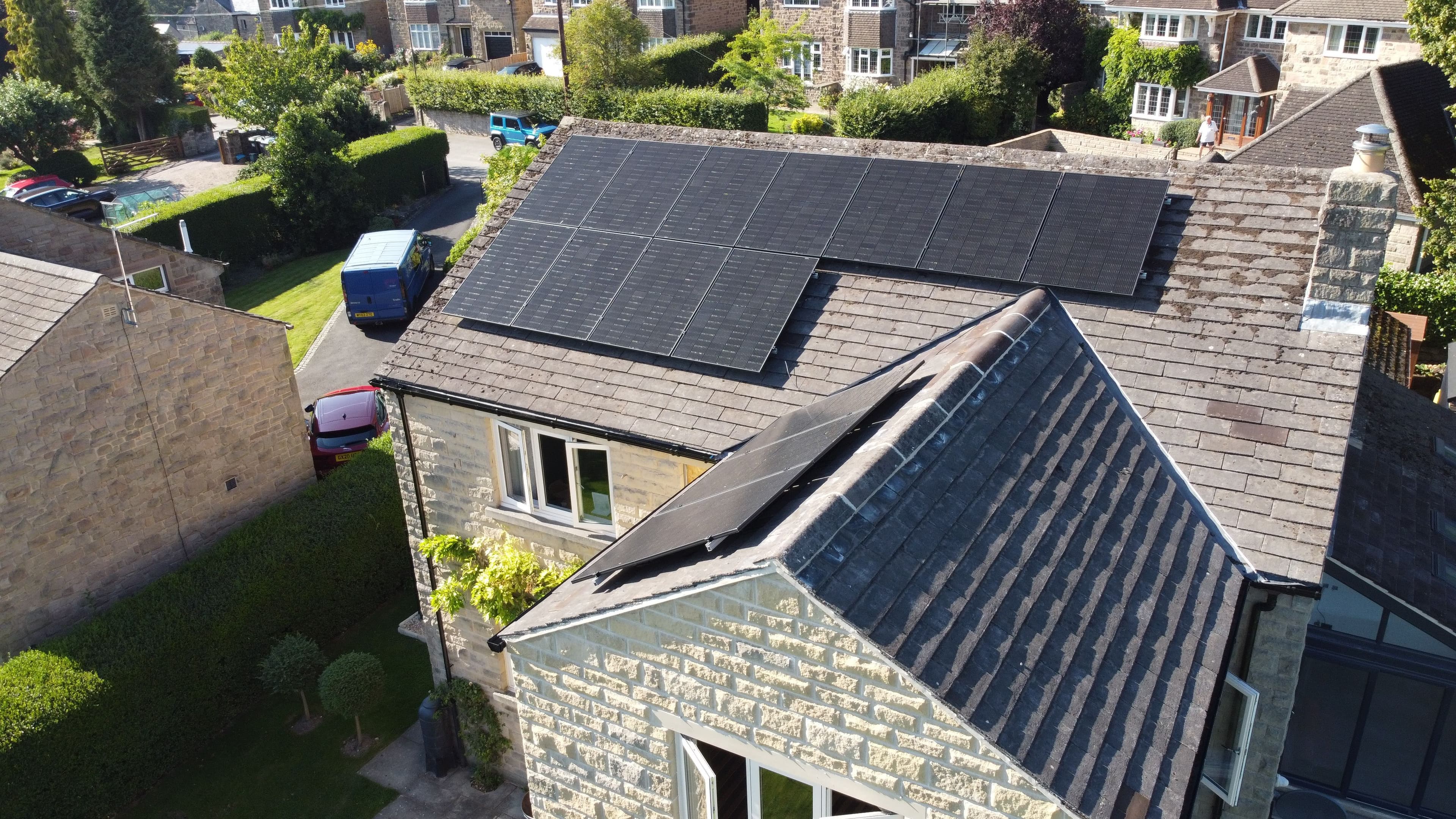
How to become energy independent in the UK
Energy independence doesn’t mean going off-grid – it means generating, storing and using more of your own energy at home. With solar panels, battery storage and a heat pump working together, you could reduce your energy costs by up to 80% and take control of how your home is powered.
Solar & battery
30 Apr 2026
Solar panel grants and incentives in 2026
Solar panel grants in 2026 are more limited than many expect, but there are still ways to reduce costs and maximise savings. From 0% VAT to Smart Export Guarantee payments, here’s what’s actually available and how solar, battery storage and heat pumps work together to lower your energy bills.

Performance & reliability
24 Mar 2026
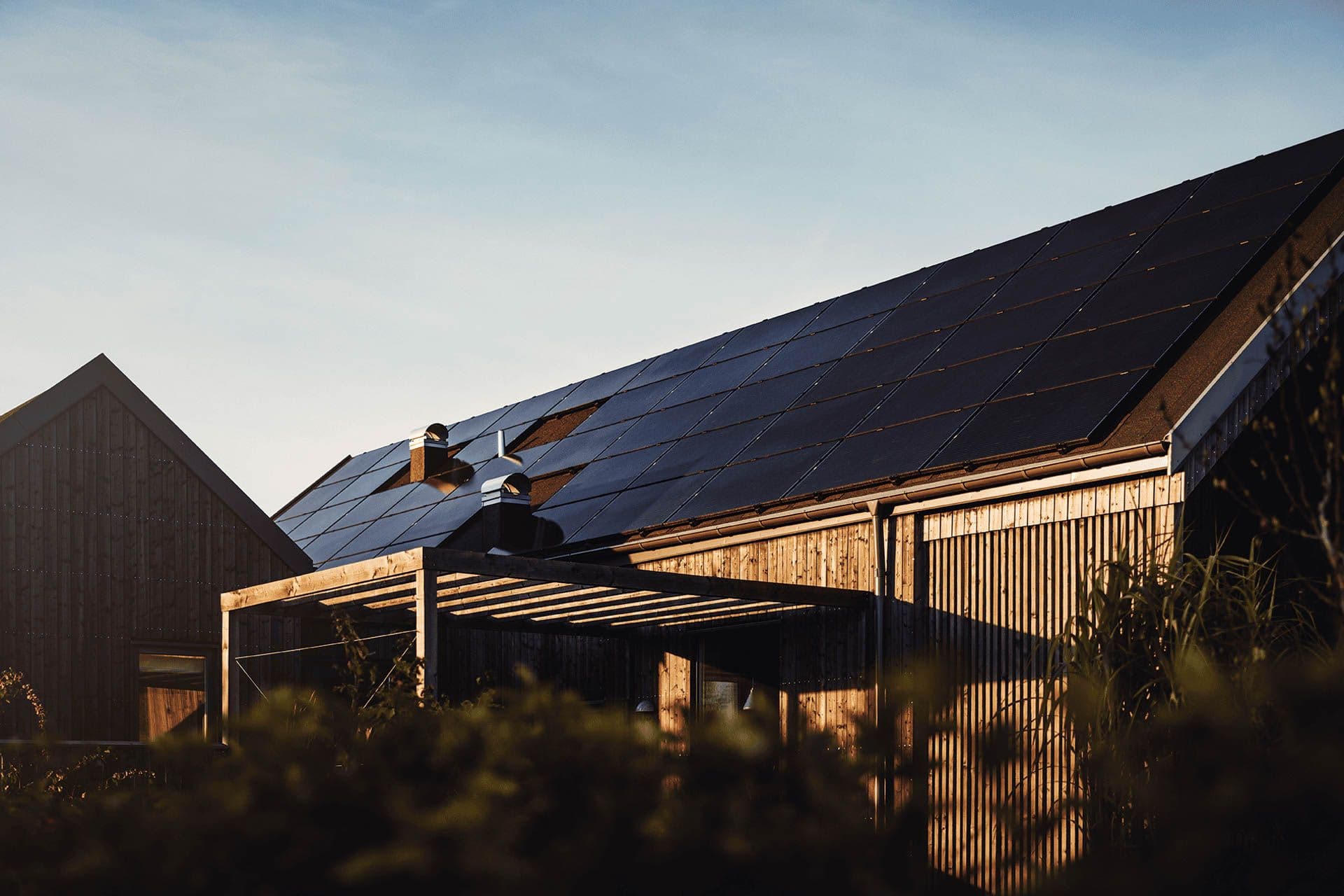
Home power inverter: What it does and why your home energy system needs one
A home power inverter converts solar electricity into the power your home can use. In modern systems, hybrid inverters and smart power hubs also manage battery storage, smart tariffs and how energy flows around your home.
Solar & battery
6 Jan 2026
Solar panels with home battery storage: is it worth it?
Solar panels generate free, 100% clean energy, but a home battery is what helps you use more of it. By storing excess solar power for later, battery storage can make solar far more effective. Here’s why solar and batteries belong together. And where Aira fits in.